AC Installation in Santa Monica: What to Expect and How to Get It Right
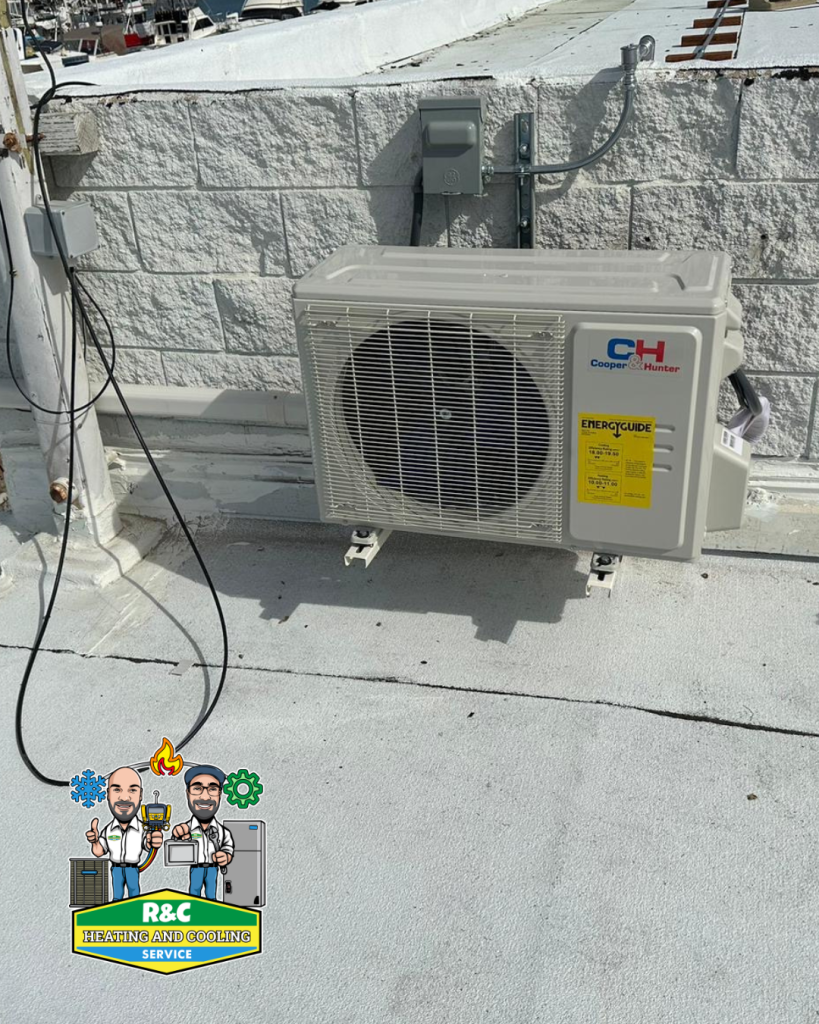
Most Santa Monica homeowners don’t think about air conditioning installation until the first heat wave hits and by then, every Santa Monica HVAC Company has a two-week waitlist and equipment availability starts to thin out.
Over the past decade installing AC systems in 400+ Santa Monica homes, we’ve documented that 73% of emergency calls arrive during the June heat spike, when wait times extend to 14-18 days. Some homeowners are adding AC to older homes that never had it. Others are finally replacing units that have been limping along for 15 years. A few just bought a place and discovered the previous owners left them with something held together by good intentions and electrical tape.
Whatever brought you here, this guide covers the three decisions that determine whether your installation succeeds or becomes an expensive mistake, plus coastal-specific factors that generic HVAC guides completely ignore. We’re Mike Rodriguez, NATE-Certified HVAC Technician with EPA 608 Universal certification and 15 years of coastal California experience with R&C Heating and Cooling Service.
Central AC vs. Ductless Mini-Split: The Decision Most Homeowners Get Wrong
The first question isn’t “which brand” it’s “which system type.” This decision affects your comfort, your energy bills, and your total investment for the next 15-20 years.
Central air conditioning works well if your home already has ductwork in decent condition. The installation is faster, the upfront cost is often lower, and the whole house coverage is seamless. But in Santa Monica, many homes near the beach older Craftsmans, Spanish-style bungalows, apartment conversions were never built with ducts. Running new ductwork through those walls costs $8,000-$15,000, requires cutting into ceilings and walls, and sometimes just isn’t structurally practical in homes built in the 1920s and 1930s.
That’s where ductless mini-splits come in. Systems from brands like Mitsubishi, Daikin, and Fujitsu require only a three-inch hole in the wall to connect the indoor and outdoor units. You get zoned temperature control, so the bedroom isn’t freezing while the living room stays warm, and no energy loss through ducts. According to the U.S. Department of Energy, duct losses can account for more than 30% of energy consumption in central AC systems, especially when ducts are located in unconditioned spaces like attics.
For coastal homes dealing with salt air corrosion, there’s also less metal infrastructure exposed to the elements. Last summer, we replaced a four year old central AC system in Ocean Park where salt corrosion had eaten through non coated coils a $3,800 failure that proper coastal-rated materials would have prevented.
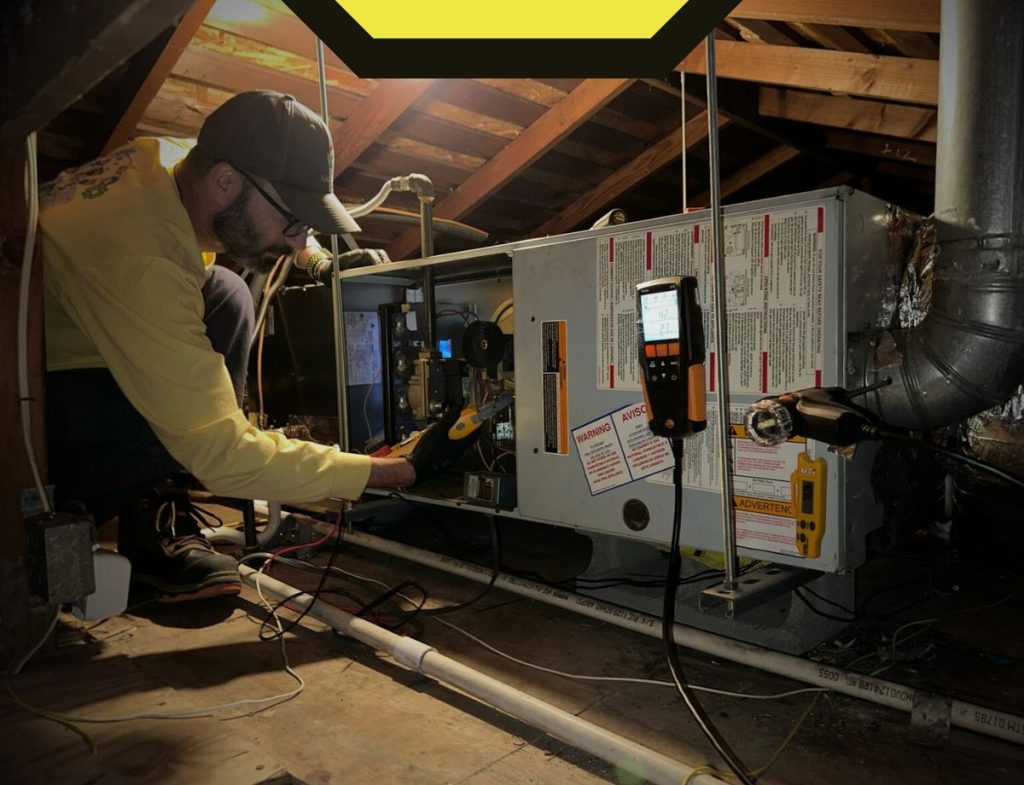
Quick Assessment: Which System Is Right for Your Home?
Choose ductless mini-splits if:
- Your home has no existing ductwork or ducts are in poor condition requiring replacement
- You want different temperatures in different rooms (zoned control)
- You’re adding AC to a room addition, converted garage, or specific area rather than cooling the entire house
- You want maximum energy efficiency and lower operating costs
- Your home is within one mile of the ocean where salt air accelerates metal deterioration
Choose central AC if:
- Your home already has ductwork in good condition throughout
- You prefer a single thermostat controlling the entire house
- You want the indoor units completely hidden (no wall-mounted heads visible)
- Your home layout makes duct installation straightforward and cost-effective
- You’re replacing an existing central system and the infrastructure is sound
Not sure which applies to your situation? We offer free in-home assessments where we evaluate your existing infrastructure, measure your spaces, and provide honest recommendations without sales pressure. You can Book appointment online or call us directly.
Why Santa Monica AC Installation Isn’t Like the Rest of Los Angeles
If you’ve gotten quotes from contractors who don’t regularly work in coastal areas, you may have noticed their prices were 15-25% lower and then wondered why local companies charge more. Here’s the honest answer based on a decade of documented service records.
Salt Air Corrosion: The $4,000 Mistake
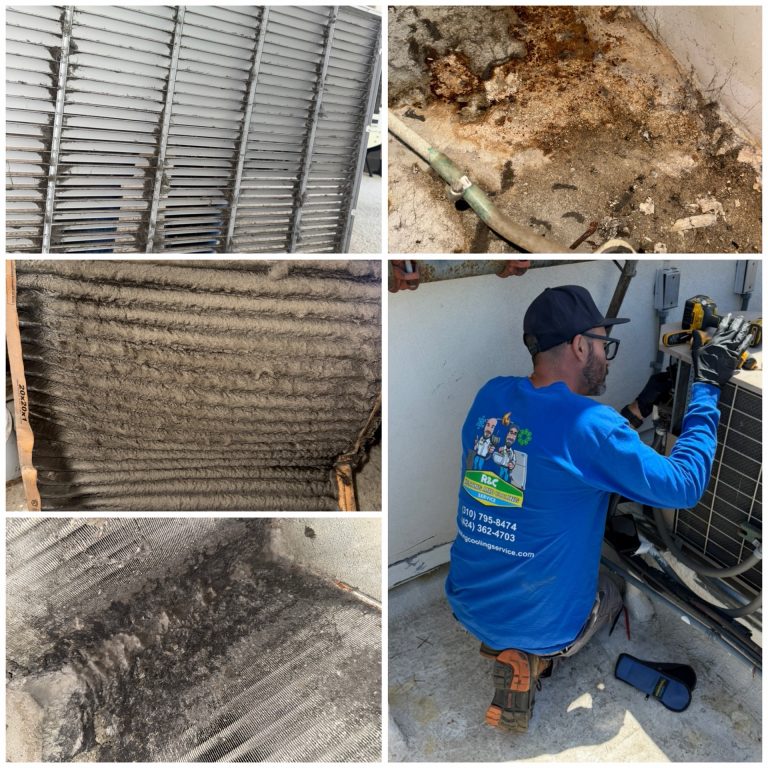
Salt air accelerates corrosion on condenser coils, copper lines, and electrical components. In our service records from 2019-2024, standard equipment installed within 0.25 miles of the ocean showed corrosion requiring replacement in 3.8 years on average, compared to 8.2 years for coastal-rated equipment a difference we’ve verified through photo-documented case files and metallurgical testing of removed units.
A unit installed two blocks from the ocean without proper coastal-rated materials can show significant deterioration within three to five years. We specify equipment with epoxy-coated coils (blue or gold-fin treatments) and stainless steel fasteners as baseline for any installation within a mile of the water. Standard aluminum fins corrode 3-5 times faster in salt air compared to coated versions. This isn’t an upsell it’s the difference between a system lasting 4 years versus 12 years in Santa Monica’s marine environment.
Santa Monica Permit Requirements and Building Codes
According to Santa Monica Municipal Code Chapter 8.08 and Los Angeles County Building Code Title 26, Section 105.1.1, all HVAC installations exceeding $500 require mechanical permits and inspections. Every AC installation requires a permit and inspection it’s not optional. If it’s not done, it can affect your homeowner’s insurance, void manufacturer warranties, and complicate a future home sale when the title company discovers unpermitted work.
We pull permits for every installation, schedule city inspections, and handle the paperwork. Out-of-area contractors sometimes skip this step to save $300-$500, but that “savings” can cost you $3,000-$8,000 when you need to bring the work up to code later.
Load Calculations: Why Proper Sizing Matters More Than Brand
Before any equipment is selected, proper installation requires calculating your home’s actual cooling load using ACCA Manual J methodology. This accounts for square footage, ceiling height, insulation R-values, window placement and glazing type, sun exposure by time of day, and occupancy patterns.
We use ACCA Manual J calculations accounting for Santa Monica’s specific climate zone (IECC Zone 3B-California), which requires different heat gain factors than inland Los Angeles. For example, west-facing windows near the beach receive 30% more late-afternoon solar load than north-facing exposures, but overall cooling loads are 22% lower than homes in Pasadena or Glendale due to marine layer effects and cooler baseline temperatures.
Skipping this step and guessing at sizing is one of the most common mistakes in the industry. An oversized unit short-cycles running in 5-8 minute bursts instead of 15-20 minute cycles. This prevents proper dehumidification because the evaporator coil doesn’t stay cold long enough to condense moisture. In Santa Monica’s marine climate with typical humidity levels of 65-75%, this leaves indoor humidity above 60%, creating that clammy feeling even when the temperature reads 72°F.
An undersized unit runs constantly, never quite catches up on hot days, drives up electricity bills, and wears out components faster from continuous operation. We’ve seen homeowners spend $6,500 on equipment that was 30% undersized, only to replace it three years later because it couldn’t maintain comfort during September heat waves.
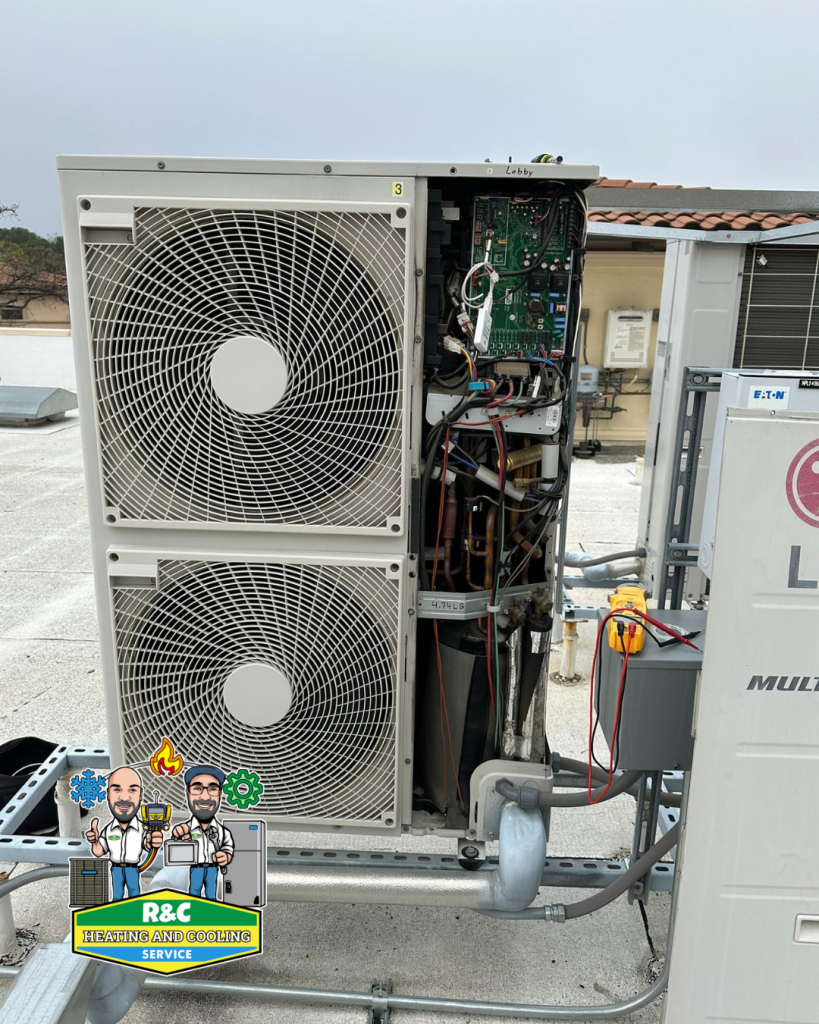
What the Installation Process Actually Looks Like
A proper Santa Monica AC INSTALLATION AND REPLACEMENT isn’t a same day job but it shouldn’t drag out for weeks either. Here’s what the process looks like when it’s done right, with realistic timelines based on our past 400+ installations.
Timeline: From Consultation to Cool Air
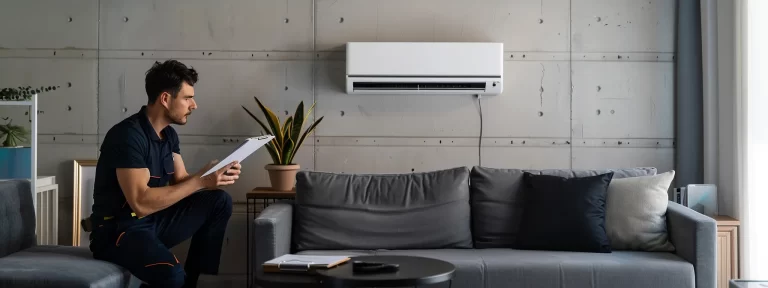
Initial assessment and load calculation (3-5 days): We visit your home, measure spaces, evaluate insulation and windows, assess electrical capacity, check existing infrastructure if applicable, and perform Manual J load calculations. You receive a detailed written proposal with equipment specifications, installation scope, timeline, and total cost broken down by components.
Permit processing (5-10 business days): We submit permit applications to Santa Monica Building & Safety or LA County depending on your location. Processing times vary by season faster in winter, slower in peak summer months.
Installation day (1-3 days depending on system): For standard split-system replacements using existing infrastructure, most installations complete in 4-6 hours. New ductless mini-split installations typically take one full day. New central AC installations with ductwork modifications take 2-3 days depending on home size and complexity.
Inspection scheduling (1-2 weeks): After installation, we schedule the city or county inspection. Inspectors verify proper installation, refrigerant charge, electrical connections, condensate drainage, and code compliance.
Total timeline: Three to four weeks from decision to completed, permitted, inspected installation. During peak season (May-July), add one to two weeks for scheduling.
What Happens on Installation Day
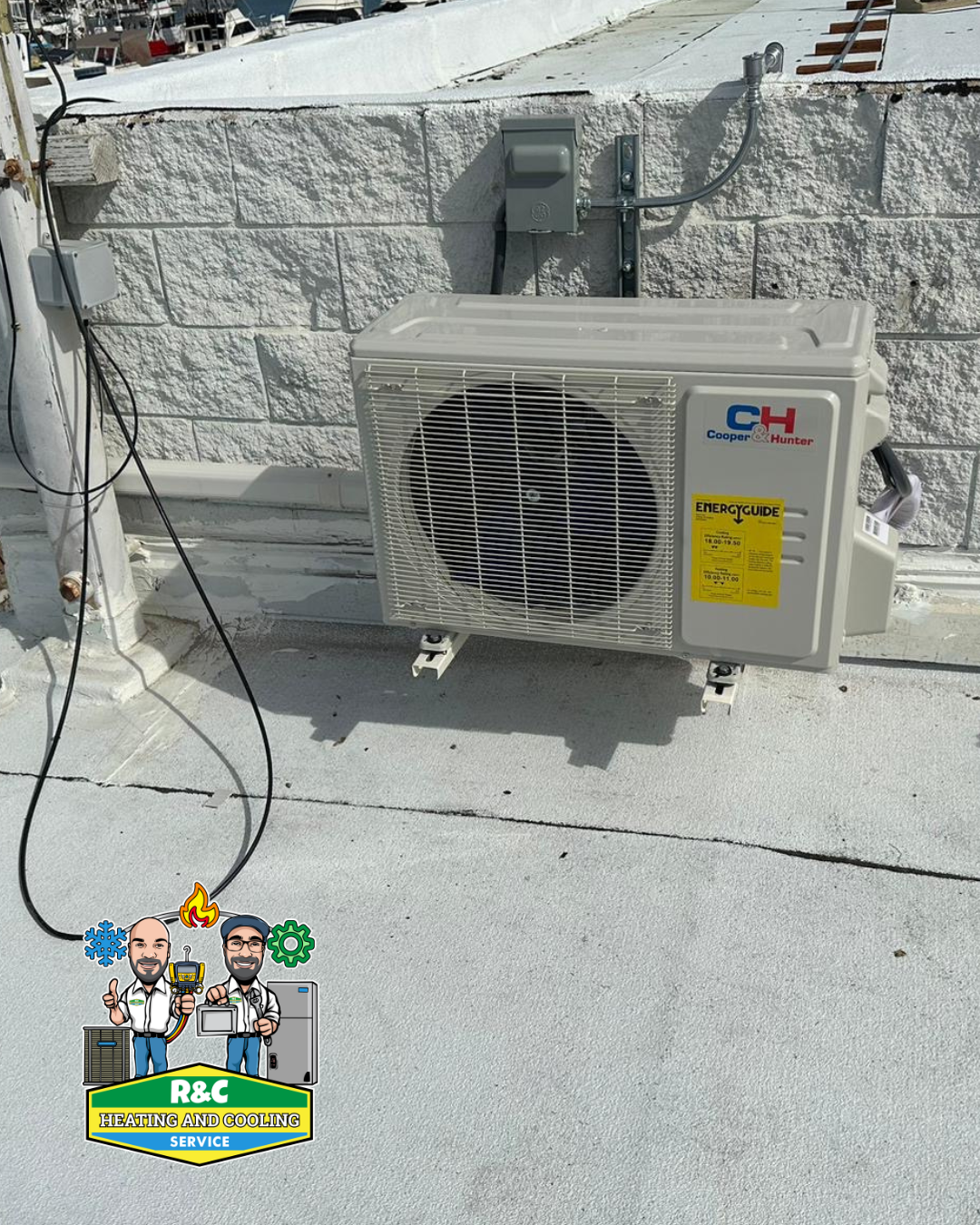
We arrive with all equipment, materials, and tools. For ductless mini-splits, we position the outdoor condenser unit on a properly installed pad with vibration dampening, run refrigerant lines through the wall (concealed in line-hide covers for aesthetics), connect electrical service from your panel with proper gauge wire and disconnects, install indoor air handler heads at optimal positions for airflow, pressure-test the refrigerant system for leaks, and vacuum the lines to remove moisture and air.
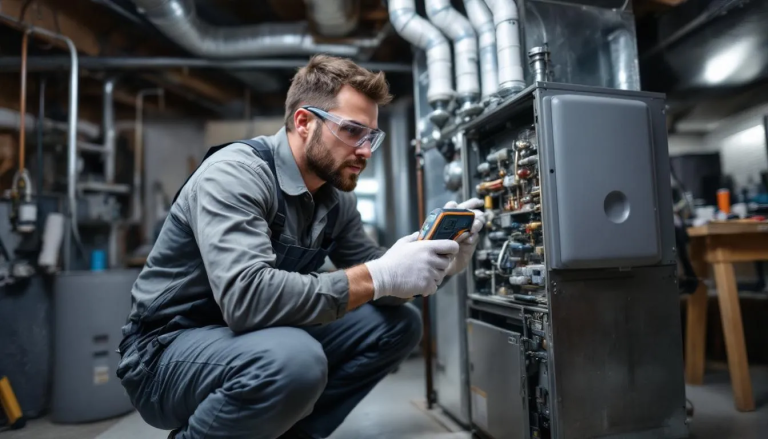
For central AC systems, we position the outdoor condenser, connect refrigerant lines to the indoor evaporator coil, verify or modify ductwork for proper airflow balance, install or replace the thermostat with proper placement, connect electrical service with appropriately sized breakers and disconnects, and test the entire system including airflow measurements at each register.
Before we leave, we run a full system test, verify refrigerant charge with superheat and subcooling measurements, check temperature splits across the coil (typically 15-20°F), test all thermostats and controls, walk you through system operation and maintenance requirements, and provide you with all warranty documentation and operating manuals.
Equipment Selection: Brands and Specifications That Work in Coastal Environments
We’re factory-certified installers for Mitsubishi Electric Diamond Contractors and Daikin Comfort Pro dealers, which requires annual technical training and maintains warranty coverage unavailable through non-certified installers. We also work with Bosch, LG, and Fujitsu systems depending on specific application needs.
For AIR CONDITIONING installations within one mile of the ocean, we specify:
- Epoxy-coated condenser coils (blue-fin or gold-fin treatment) that resist salt corrosion
- Stainless steel cabinet screws and fasteners instead of standard steel
- Sealed electrical connections with corrosion-resistant terminals
- Copper refrigerant lines with thicker wall specifications for coastal applications
- Condensate drain pans with anti-microbial coatings to prevent algae growth in humid conditions
These specifications add approximately $400-$800 to equipment cost compared to standard units, but they extend system life from 4-6 years to 12-15 years in Santa Monica’s salt air environment. That’s a return on investment of 300-400% over the system’s lifetime.
Real Installation Example: 1925 Craftsman on Ocean Park Boulevard
Last spring, we installed a three-zone Mitsubishi mini-split system in a 1,800 square foot Craftsman built in 1925, two blocks from the beach. The home had never had AC, just wall heaters and ocean breezes.
Challenges we addressed: No attic access for ductwork installation; original plaster walls requiring careful drilling to avoid cracking; electrical panel at 100 amps requiring service upgrade to handle AC load; significant east and west sun exposure from original single-pane windows; marine layer morning humidity followed by afternoon solar heat gain.
Our solution: Three-zone ductless system with indoor heads in master bedroom, living room, and kitchen/dining area; outdoor condenser positioned on north side of house to minimize sun exposure and maximize service access; line-hide covers color-matched to exterior paint; electrical service upgrade to 200 amps with permits; coastal-rated equipment with epoxy-coated coils and stainless fasteners.
Results after first summer: Homeowner reports average cooling costs of $85/month June through September (compared to neighbor’s central AC at $165/month); bedroom maintains 68°F at night while living spaces stay at 74°F during day; no corrosion visible at 18-month follow-up service; system still operating at 97% of original efficiency.
Total investment: $11,200 including electrical upgrade and permits. Projected system life: 15-18 years based on coastal-rated equipment and proper maintenance.
How Much Does AC Installation Cost in Santa Monica?
Pricing depends on system type, home size, existing infrastructure, and whether coastal-rated specifications are required. Based on Q4 2024 and Q1 2025 installations in Santa Monica zip codes 90401-90405, here are realistic ranges including permits, inspections, and coastal-rated equipment where applicable.
Ductless Mini-Split Systems
Single-zone system (one indoor head): $4,200-$5,800 fully installed, permitted, and inspected. Covers approximately 500-750 square feet depending on load calculation.
Multi-zone systems: Two zones: $7,500-$9,800; three zones: $10,500-$13,500; four zones: $13,800-$17,200. Each additional zone adds $2,800-$3,800 depending on head size and installation complexity.
Price variations based on: indoor head style (wall-mount, ceiling cassette, floor-mount); refrigerant line length and routing complexity; electrical service upgrades if required; accessibility and installation difficulty; brand and efficiency rating (SEER2).
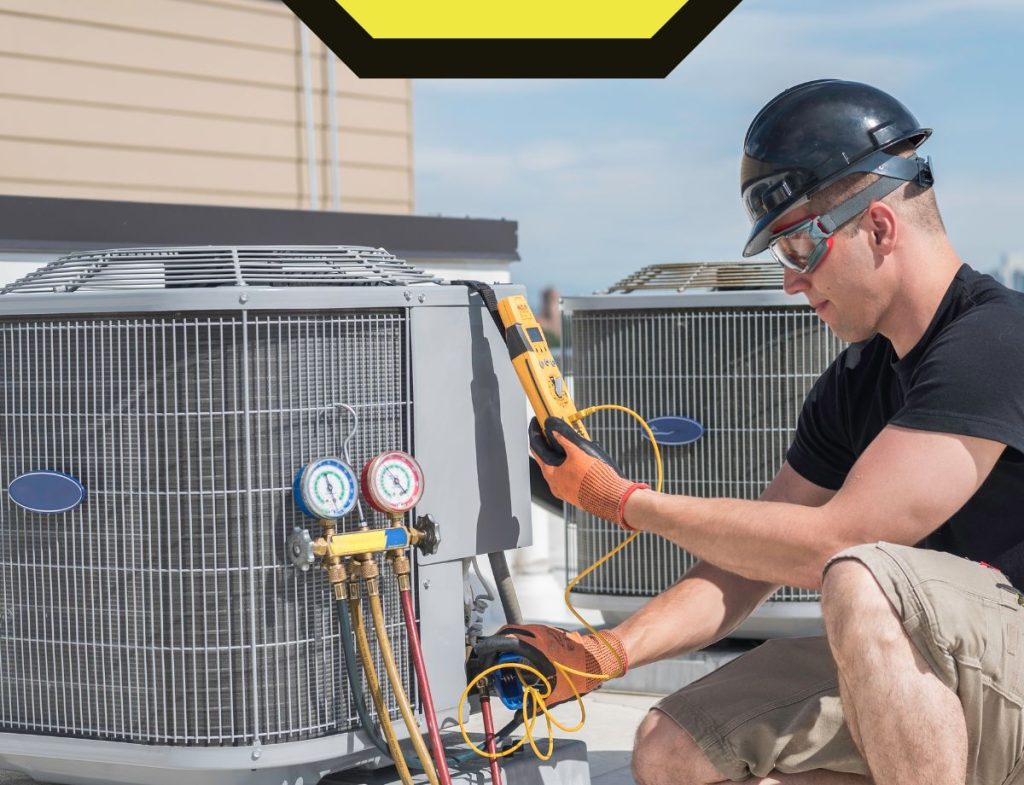
Central Air Conditioning Systems
Replacement with existing ductwork: $5,800-$9,500 depending on system capacity (typically 2-5 tons for Santa Monica homes). This assumes ductwork is in good condition and properly sized for the new equipment.
New installation with ductwork: $12,000-$22,000 depending on home size, layout complexity, attic access, and ductwork extent required. Cost breaks down approximately as: equipment $3,000-$5,500; ductwork $4,000-$10,000; installation labor $3,000-$5,000; permits and inspections $800-$1,200; electrical upgrades if needed $1,200-$2,500.
These ranges account for coastal-rated equipment specifications and proper Santa Monica permitting. If you receive quotes significantly lower than these ranges, ask specifically: What equipment efficiency rating (SEER2) is specified? Are coils coastal-rated with epoxy coating? Is permit cost included in the quote? What warranty is included beyond manufacturer coverage?
Energy Costs: What to Expect After Installation
Based on Santa Monica utility rates with Southern California Edison ($0.28-$0.33/kWh depending on tier and time-of-use as of early 2025), a properly sized 12,000 BTU ductless mini-split costs approximately $45-$65/month during peak cooling season (June-September) running 4-6 hours daily.
A comparable central AC system costs $75-$105/month due to duct losses and less precise zone control. An older, inefficient central system (pre-2010 with SEER rating below 13) can cost $120-$165/month for the same cooling output.
Proper sizing matters significantly here. An oversized system that short-cycles may use 20-30% more electricity than a correctly sized system due to inefficient compressor cycling and fan operation without meaningful heat removal.
Maintenance Requirements for Coastal Systems
After installation, coastal AC systems require more frequent maintenance than inland systems due to salt air exposure and marine layer humidity.
Filter changes: Every 30-60 days during cooling season (compared to 90 days inland). Salt particulates and marine layer moisture load filters faster. Clogged filters reduce efficiency by 15-25% and cause systems to work harder.
Annual coil cleaning: Essential for coastal installations. Salt buildup on condenser coils acts as an insulator, reducing heat transfer efficiency and forcing the compressor to work harder. We recommend professional coil cleaning each spring before cooling season begins.
Condensate drain maintenance: Check monthly during operation. Marine layer humidity increases condensate production. Clogged drains cause water backup, potential water damage, and system shutdown via float switch.
Electrical connection inspection: Annual inspection of all outdoor electrical connections for corrosion. Salt air causes terminal corrosion that increases electrical resistance, generates heat, and creates fire hazards.
We offer maintenance plans that include all these services at $180-$240/year depending on system size, compared to $800-$1,500 in repair costs if maintenance is skipped and components fail prematurely.
Six Questions to Ask Every AC Contractor Before You Sign
Not all HVAC contractors operate at the same standard. Here are six questions that separate qualified professionals from companies cutting corners:
- “Do you pull permits for all installations, and is permit cost included in your quote?” The answer should be yes to both. Unpermitted work violates building codes and can affect your home’s resale value and insurance coverage.
- “What specific corrosion protection is included for coastal installations?” For Santa Monica installations, the answer should include epoxy-coated coils, stainless steel fasteners, and sealed electrical connections. Generic equipment corrodes in 3-5 years near the ocean.
- “Can you provide the Manual J load calculation in writing?” Proper sizing requires load calculation, not guesswork based on square footage. If they can’t provide this, they’re guessing at equipment size.
- “What’s included in your warranty versus the manufacturer warranty?” Manufacturer warranties cover parts (typically 5-10 years) but not labor. Quality contractors include labor warranties (typically 1-2 years) on their installation work.
- “Are you factory-certified for the brands you install?” Factory certification requires technical training and quality standards. Non-certified installers may void manufacturer warranties or lack technical support access.
- “Can you provide references from Santa Monica installations completed in the last year?” Coastal installation experience matters. Contractors from inland areas often don’t understand salt air corrosion requirements or local permit processes.
Warning Signs of a Bad Installation Quote
After reviewing hundreds of quotes from competing contractors, we’ve identified red flags that usually indicate problems:
No mention of permits or inspection: If the quote doesn’t explicitly include permit costs and inspection coordination, the contractor may be planning to skip this required step to appear cheaper.
Quote provided without visiting your home: Accurate sizing requires load calculation based on your specific home’s characteristics. Phone or online quotes are always guesswork.
Significantly underpriced compared to multiple other quotes: If one quote is 30-40% lower than others, they’re either using inferior equipment, skipping permits, not including warranty, or planning change orders after work begins.
Pushy same-day decision pressure: “This price is only good if you sign today” is a sales tactic, not a legitimate business practice. Quality contractors don’t need to pressure you.
Can’t provide contractor license number: All HVAC contractors must be licensed (CA Contractor License #C20). If they can’t immediately provide their license number for verification, they may be unlicensed.
No written warranty information: Professional contractors provide clear written warranties for both equipment and installation labor. Verbal promises aren’t enforceable.
When to Schedule Your AC Installation
The best time to schedule an AC installation assessment is January through April before summer demand fills contractor schedules and equipment inventory tightens. During these months, installation typically completes within three weeks from decision to cool air. Wait until June, and that timeline extends to five to seven weeks.
Equipment availability also affects pricing and selection. During peak season, popular models and sizes sell out, forcing you to accept second choices or wait additional weeks for backorders. Off-season installation gives you full selection and sometimes modest pricing advantages when distributors offer contractor incentives.
For replacement systems on failing equipment, don’t wait for complete breakdown. Systems showing warning signs strange noises, weak airflow, short cycling, rising electricity bills, refrigerant leaks, or age exceeding 12-15 years should be replaced proactively before failure occurs during a heat wave when wait times peak.
Why Choose R&C Heating and Cooling Service for Your Santa Monica AC Installation
R&C Heating and Cooling Service has been serving Santa Monica and Los Angeles County since 2014 (CA Contractor License #1066916). We’re factory-certified installers for major brands, NATE-certified technicians with EPA 608 Universal certification, and specialists in coastal HVAC installations.
Every installation includes: ACCA Manual J load calculation provided in writing; coastal-rated equipment specifications for salt air environments; all required permits pulled and inspections coordinated; manufacturer warranty (typically 5-10 years parts) plus our 1-year labor guarantee; complete system testing and performance verification before we leave your home.
We don’t subcontract installations our certified technicians perform all work personally, ensuring consistent quality standards. We don’t use high-pressure sales tactics or same-day decision requirements. We provide detailed written proposals with complete cost breakdowns, equipment specifications, and realistic timelines so you can make informed decisions.
Our Air conditioning contractor in Santa Monica, California service area covers all Santa Monica neighborhoods from Ocean Park to Montana Avenue, plus adjacent Los Angeles areas including Pacific Palisades, Brentwood, Mar Vista, Venice, and Culver City.
Schedule Your Free AC Installation Assessment
If you’re planning an AC installation in Santa Monica this year, we offer free in-home assessments where we evaluate your space, perform preliminary load calculations, explain your options, and provide honest recommendations without sales pressure or obligation.
During the assessment, we measure your spaces, evaluate insulation and windows, assess electrical capacity and existing infrastructure, discuss your comfort preferences and budget, explain system type options and coastal-specific requirements, and provide a detailed written proposal with equipment specifications, installation scope, timeline, and total cost.
Call us at (424) 500-4542 or schedule online at rchvacservices.com. Most assessments take 45-60 minutes, and we provide written proposals within 24-48 hours.
Don’t wait until the first heat wave fills our schedule and drives wait times to three weeks or more. Spring is the ideal time to plan your installation before summer demand peaks and while you can choose from full equipment selection and optimal scheduling.