AC Not Cooling in Santa Monica? 4 Steps to Take Before Calling an Emergency HVAC Repair Service
Is the Santa Monica heat getting to you, but your AC unit is blowing warm air or nothing at all? As HVAC technicians who’ve responded to hundreds of Santa Monica emergency calls over the past 15 years, we can tell you that many cooling issues can be resolved with simple troubleshooting steps before requiring professional intervention.
In our experience serving coastal communities, approximately 60% of “emergency” calls during peak summer months are resolved through basic maintenance and system checks that homeowners can perform safely themselves. Before you panic and make an expensive emergency service call, follow these four diagnostic steps that could potentially save you $150-300 in service fees.
However, it’s crucial to understand your limitations and safety boundaries. If these steps don’t restore cooling, it’s time to call in certified professionals like a trusted Santa Monica HVAC Company for expert diagnosis and repair.
Understanding Your AC System and Common Santa Monica Challenges
Before diving into troubleshooting, it’s important to understand how your air conditioning system works and the unique challenges posed by Santa Monica’s coastal climate. The combination of ocean humidity, salt air, and temperature fluctuations can affect HVAC system performance in ways that inland areas don’t experience.
Salt air can accelerate corrosion of outdoor condenser components, while coastal humidity can impact evaporator coil efficiency. According to the U.S. Department of Energy, proper maintenance becomes even more critical in coastal environments to prevent premature system failure.
WARNING: Safety First – Working with electrical components can be dangerous and potentially fatal. Never attempt electrical repairs beyond checking circuit breakers. DIY repairs may void manufacturer warranties, and refrigerant work requires EPA certification due to environmental and health hazards.
Step 1: Check Your Thermostat Settings
It sounds almost too simple, but incorrect thermostat settings account for roughly 25% of our service calls during Santa Monica’s summer months. Modern programmable and smart thermostats can be complex, and settings can be inadvertently changed by family members or power outages.
Verify the Mode Setting
Ensure your thermostat is set to “Cool” mode, not “Heat,” “Off,” or “Auto.” The “Auto” setting can be particularly confusing because it switches between heating and cooling based on temperature, but during summer months, you want consistent cooling mode.
Check the Temperature Setting
Make sure the temperature setting is at least 3-5 degrees lower than the current room temperature. If the difference is too small, the system may not recognize the need to start cooling. For optimal efficiency in Santa Monica’s climate, we recommend setting thermostats no lower than 78°F during peak summer hours.
Inspect Battery Status
If your thermostat operates on batteries and displays a dim screen, blank display, or shows a low battery indicator, replace the batteries immediately. Dead or weak batteries can cause communication failures between the thermostat and your HVAC system, resulting in erratic operation or complete shutdown.
Fan Setting Configuration
Ensure the fan setting is on “Auto” rather than “On.” When set to “On,” the fan runs continuously, circulating air even when the system isn’t actively cooling. While this might feel like airflow, it’s not actually cooling your home and can increase energy costs. In “Auto” mode, the fan only operates when the system is actively cooling.
Step 2: Inspect and Replace the Air Filter
A clogged or dirty air filter is the leading cause of reduced airflow and decreased cooling efficiency. In extreme cases, restricted airflow can cause indoor evaporator coils to freeze, leading to complete system shutdown, water damage, and potentially costly repairs.
During Santa Monica’s dusty Santa Ana wind periods, filters can become clogged more quickly than the standard replacement schedule suggests. We’ve found that coastal properties often require more frequent filter changes due to salt particles and ocean moisture affecting air quality.
Locate Your Filter
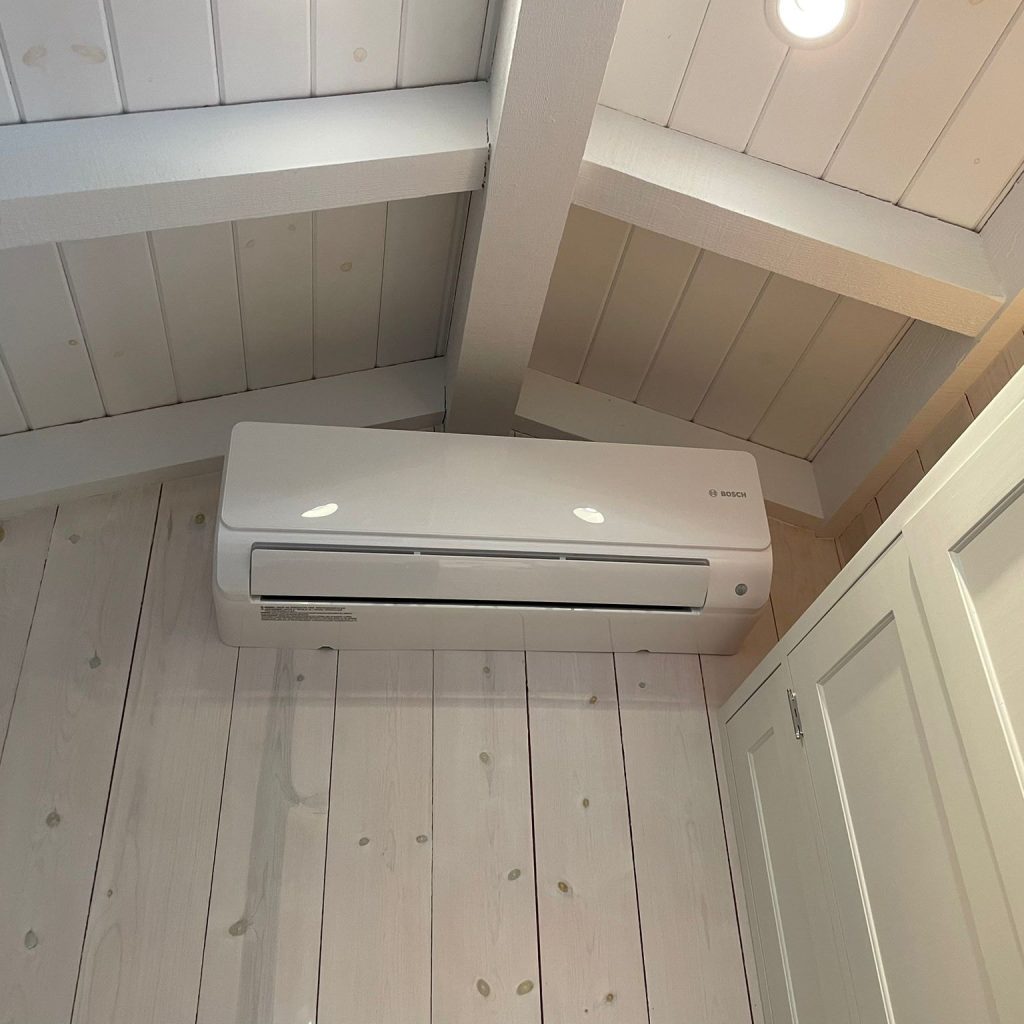
Air filters are typically located in one of three places: the return air vent (usually a large rectangular grill on a wall or ceiling), inside the indoor air handler unit (often in a closet, garage, or attic), or in the HVAC unit itself. If you’re unsure, consult your system’s manual or look for arrows indicating airflow direction.
Assess Filter Condition
Remove the filter and hold it up to a light source. If you cannot see light passing through due to dust and debris buildup, it needs immediate replacement. A properly functioning filter should allow light to pass through while still capturing particles. Filters that appear gray or brown instead of white have exceeded their useful life.
Replacement Schedule
For optimal performance and indoor air quality, standard 1-inch filters should be changed every 30-45 days in Santa Monica’s climate. Homes with pets, smokers, or family members with allergies may require more frequent changes—potentially every 30 days or less. Higher-efficiency pleated filters can often last 60-90 days but should be checked monthly.
Step 3: Examine the Outdoor Condenser Unit for Obstructions
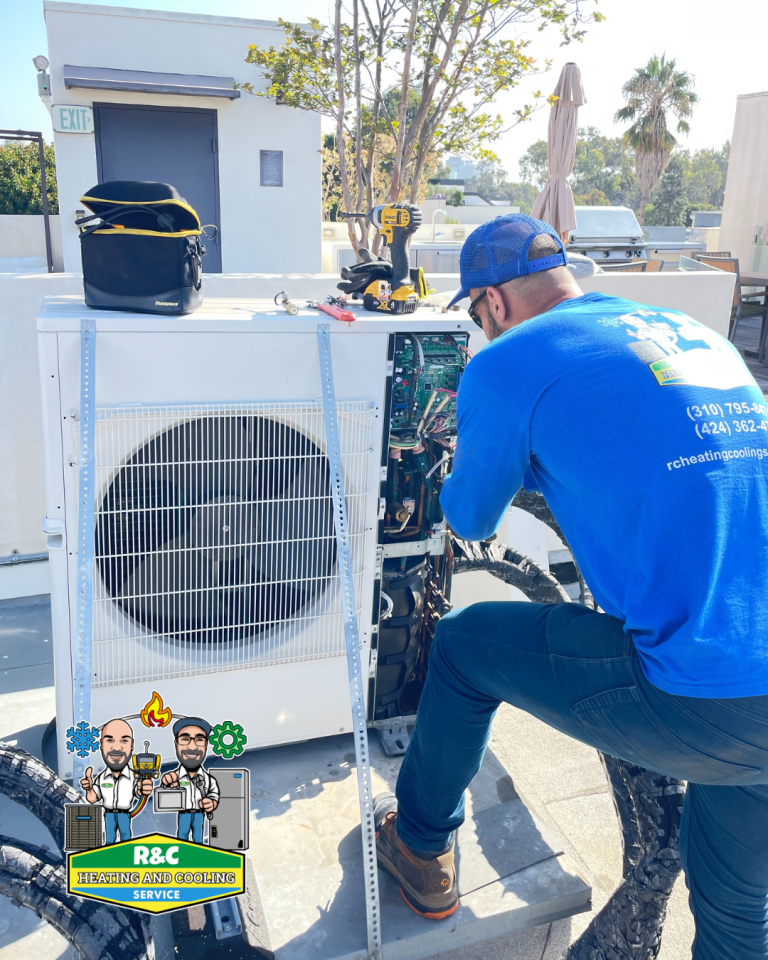
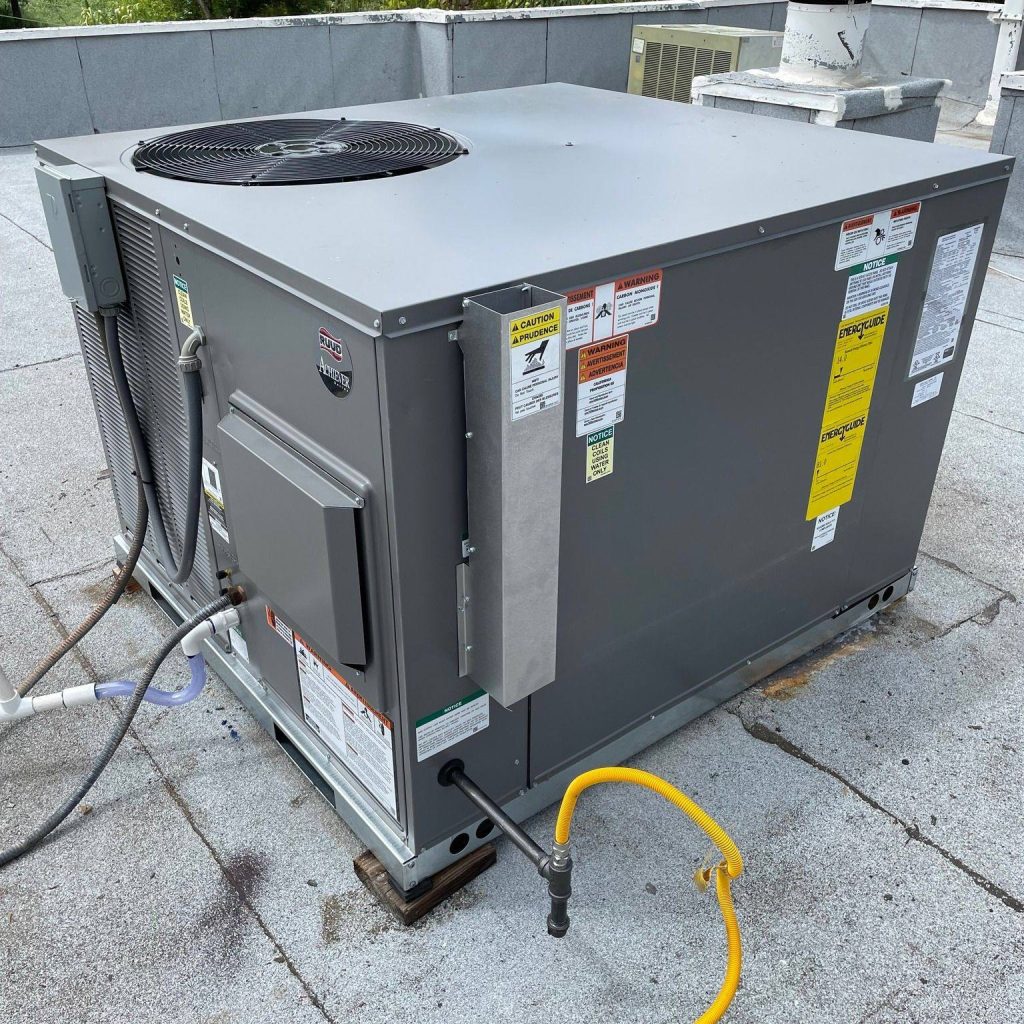
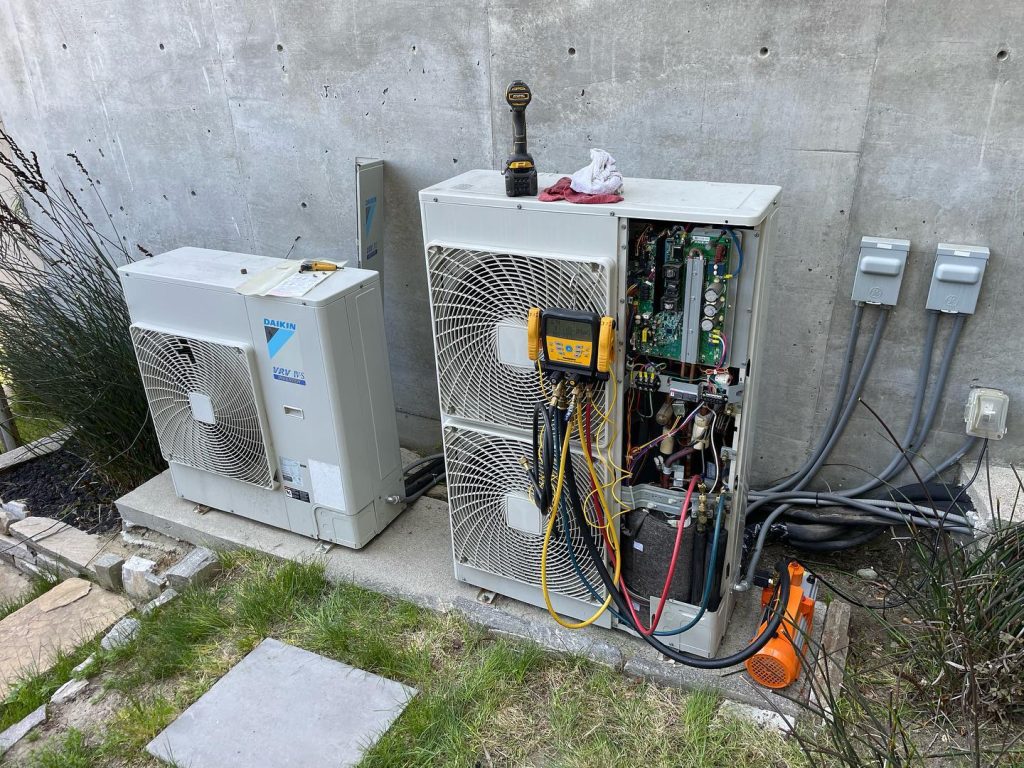
The outdoor condenser unit is responsible for releasing heat from your home to the outside environment. Santa Monica’s landscape—with its palm trees, coastal vegetation, and occasional windblown debris—can create unique challenges for maintaining clear airflow around these units.
Clear Debris and Vegetation
Walk completely around your condenser unit and remove any accumulated debris such as leaves, grass clippings, palm fronds, dirt, or trash. Pay special attention after Santa Ana winds, which can deposit significant debris around units. Even seemingly minor obstructions can reduce efficiency by 10-15%.
Trim any vegetation to ensure at least two feet of clearance on all sides and at least three feet of clearance above the unit. This includes removing any vines or overgrown plants that may have grown into or around the condenser. Popular Santa Monica landscaping plants like bougainvillea or bird of paradise can quickly encroach on HVAC units if not properly maintained.
Cleaning the Condenser Coils
The condenser’s aluminum fins (thin metal strands) can accumulate dirt, pollen, and salt residue from the ocean air. If these fins appear dirty or clogged, you can gently rinse them with a garden hose on a low-pressure setting. Always spray from inside the unit outward to avoid pushing debris deeper into the coils.
Important: Be extremely careful not to bend the delicate aluminum fins, as bent fins restrict airflow and reduce efficiency. If fins are severely damaged or bent, professional straightening tools may be required.
Check for Refrigerant Line Damage
While inspecting your outdoor unit, look for any obvious damage to the copper refrigerant lines. These should be properly insulated and free from dents, cracks, or signs of corrosion. Salt air can accelerate corrosion of these components, particularly in areas closer to the ocean.
Step 4: Check the Circuit Breaker
Air conditioning systems draw significant electrical power—typically 15-60 amps depending on system size. Power surges, electrical storms, or system malfunctions can trip dedicated AC breakers, leaving your system completely non-functional.
Locate Your Electrical Panel
Find your home’s main electrical panel, typically located in a garage, utility closet, basement, or exterior wall. Look for breakers labeled “AC,” “HVAC,” “Air Conditioning,” or similar terminology. Larger systems may have multiple breakers for indoor and outdoor components.
Inspect Breaker Position
A tripped breaker will be in the “off” position or somewhere between “on” and “off” (the tripped position). The handle may not be perfectly aligned with other breakers that are functioning normally.
Reset the Breaker Safely
To reset a tripped breaker, first push the switch firmly to the “Off” position, then flip it back to the “On” position. You should hear a definitive click when it properly engages.
Critical Safety Warning: If the breaker immediately trips again after resetting, do not attempt to reset it repeatedly. This indicates a serious electrical issue, potential short circuit, or equipment malfunction that could result in fire or equipment damage. Contact a licensed electrician or HVAC professional immediately.
Understanding Santa Monica’s Unique HVAC Challenges
Santa Monica’s coastal location presents specific challenges that affect air conditioning performance. The City of Santa Monica Office of Sustainability and the Environment notes that coastal microclimates can create temperature variations of 10-15 degrees within just a few miles, affecting system sizing and performance requirements.
Ocean humidity levels can remain high even when temperatures are moderate, requiring air conditioning systems to work harder to remove moisture from indoor air. This increased workload can lead to more frequent maintenance requirements and potential system strain during peak usage periods.
Additionally, salt air accelerates corrosion of outdoor components, potentially reducing equipment lifespan if proper maintenance isn’t performed. We recommend quarterly professional inspections for coastal properties to address these environmental factors proactively.
When to Call Professional HVAC Technicians
If you’ve completed all four troubleshooting steps and your AC system still isn’t cooling effectively, the problem likely requires professional diagnosis and repair. Certain symptoms indicate complex issues that are beyond DIY capabilities and may require specialized tools, training, and safety equipment.
Refrigerant-Related Issues
Signs of refrigerant problems include:
- Hissing or bubbling sounds from the outdoor unit
- Ice formation on copper refrigerant lines
- The system running continuously but never achieving set temperature
- Warm air from vents despite proper thermostat settings
Refrigerant is a controlled substance that requires EPA certification to handle. Low refrigerant typically indicates a leak, which must be located and repaired before recharging the system. Simply adding more refrigerant without fixing leaks is both illegal and environmentally harmful.
Electrical and Mechanical Failures
Contact professionals immediately if you notice:
- Grinding, squealing, or metal-on-metal sounds
- Burning smells from vents or equipment
- Repeated electrical breaker trips
- Visible sparks or electrical arcing
- Complete system failure to start
These symptoms can indicate serious safety hazards requiring immediate professional attention. Turn off your system immediately and avoid operating it until repairs are completed.
Persistent Ice Formation
While dirty filters commonly cause evaporator coil freezing, persistent ice formation after filter replacement may indicate:
- Low refrigerant levels
- Blocked or damaged ductwork
- Malfunctioning blower motors
- Thermostat calibration issues
Continuing to operate a system with frozen coils can cause significant damage to compressors and other expensive components.
Preventive Maintenance for Santa Monica Properties
Regular maintenance is particularly crucial in Santa Monica’s coastal environment. We recommend the following preventive measures:
Monthly Tasks
- Check and replace air filters as needed
- Clear debris from around outdoor condenser units
- Verify thermostat operation and battery levels
- Inspect visible ductwork for damage or disconnections
Seasonal Professional Maintenance
Schedule professional maintenance twice yearly—once before summer cooling season and once before winter. Professional technicians can:
- Test refrigerant levels and system pressures
- Clean and inspect evaporator and condenser coils
- Lubricate motors and moving components
- Check electrical connections and safety controls
- Calibrate thermostats and test system operation
For comprehensive maintenance and reliable AC Repair Santa Monica services, professional technicians can identify potential issues before they become expensive emergency repairs.
Cost Considerations
Understanding typical service costs helps you make informed decisions:
- Emergency service calls: $150-300 minimum, plus parts and labor
- Routine maintenance visits: $89-150 annually
- Filter replacements: $15-50 depending on type and quality
- Minor repairs: $200-500 depending on components needed
Many problems caught during routine maintenance cost significantly less to repair than emergency failures during peak summer months.
Energy Efficiency and System Optimization
Proper system operation not only ensures comfort but also optimizes energy efficiency. According to the California Public Utilities Commission, well-maintained air conditioning systems use 15-20% less energy than neglected systems.
In Santa Monica’s moderate climate, strategic system operation can significantly reduce energy costs. Consider using programmable thermostats to take advantage of natural cooling from ocean breezes during evening and morning hours.
When System Replacement Makes Financial Sense
Sometimes, repeated repairs on older systems become more expensive than replacement. Generally, if your system is more than 10-15 years old and requires major component replacement, investing in Santa Monica AC INSTALLATION AND REPLACEMENT may provide better long-term value.
Modern high-efficiency systems can reduce energy costs by 20-40% while providing improved comfort and reliability. Additionally, many utility companies and government programs offer rebates for high-efficiency equipment upgrades.
Conclusion
While many air conditioning problems require professional expertise, these four diagnostic steps can resolve common issues and potentially save you significant money in emergency service fees. The key is knowing your limitations and prioritizing safety above all else.
Remember that Santa Monica’s coastal environment presents unique challenges for HVAC systems, making regular maintenance even more critical than inland locations. When in doubt, consult with experienced professionals who understand local conditions and can provide reliable, long-term solutions.
For complex issues, emergency repairs, or routine maintenance, don’t hesitate to Book Appointment with qualified technicians. Professional service ensures your system operates safely, efficiently, and reliably throughout Santa Monica’s varying seasonal conditions.
If you need immediate assistance or want to schedule preventive maintenance, Contact Us for prompt, professional service from licensed technicians who understand the unique requirements of coastal HVAC systems.