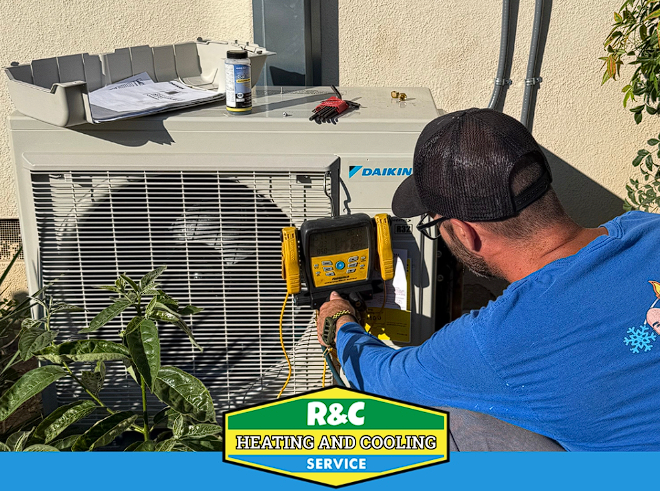
AC Tune-Up in Venice, CA
AC Tune-Up in Venice, CA: What Santa Monica Homeowners Need to Know Before Summer
An AC tune-up in Venice and Santa Monica, CA typically costs between $100 and $200, with coastal properties often landing toward the higher end due to salt-air corrosion inspections and California Climate Zone 6 compliance requirements. Most tune-ups take two to three hours and should be scheduled in early spring, before June Gloom sets in and demand spikes. How much does an AC tune-up cost in Santa Monica CA depends on system age, coil condition, and whether marine-grade hardware checks are included.
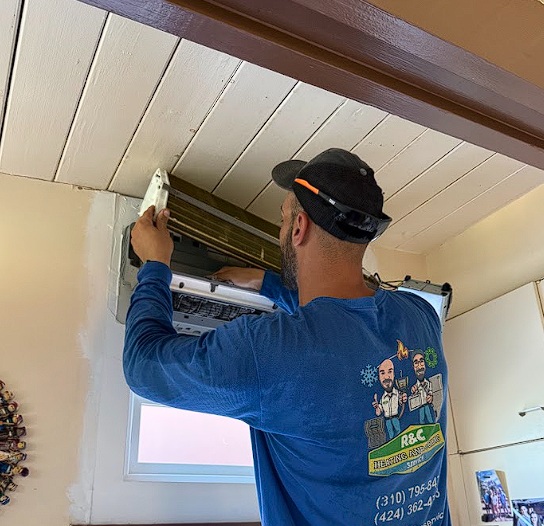
Why Santa Monica and Venice AC Systems Age Differently Than Inland Units
Most HVAC maintenance guides are written for the San Fernando Valley or generic Southern California conditions. They skip the detail that matters most for homes along the coast: salt air does not sleep. While Santa Monica’s Mediterranean climate keeps summer highs comfortably in the 70s, making AC systems run far less intensively than those in Pasadena or Burbank, the ocean environment works against your equipment every single day of the year.
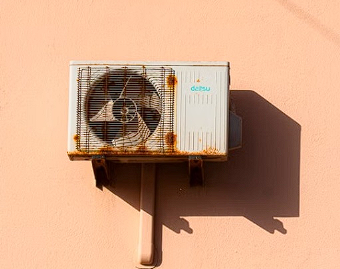
According to HVAC specialists, metals in salty coastal environments corrode ten times faster than metal in normal inland conditions. Heat pump coils are particularly vulnerable, often failing years ahead of schedule when they have not been rinsed and treated regularly. Salt-laden air also attacks electrical connections inside the condenser cabinet, accelerates rust on refrigerant line fittings, and encourages moisture buildup inside ventilation systems that can support mold growth over time.
For Venice and Santa Monica homeowners, this means a standard tune-up checklist is not enough. A genuinely protective maintenance visit needs to include a corrosion inspection of all outdoor electrical connections, a fresh-water rinse of condenser coils to flush salt deposits, and a check of any exposed metal hardware for marine-grade integrity. These are not upsells. They are the baseline for coastal AC care.
What Does an AC Tune-Up Include in the Coastal LA Market?
A comprehensive AC tune-up from a qualified contractor serving the Venice and Santa Monica area should cover the following:
- Thermostat calibration and controls check to confirm the system cycles correctly at programmed temperatures.
- Air filter inspection and replacement, which is especially important in coastal homes where marine humidity can cause filters to clog faster than manufacturers’ standard timelines suggest.
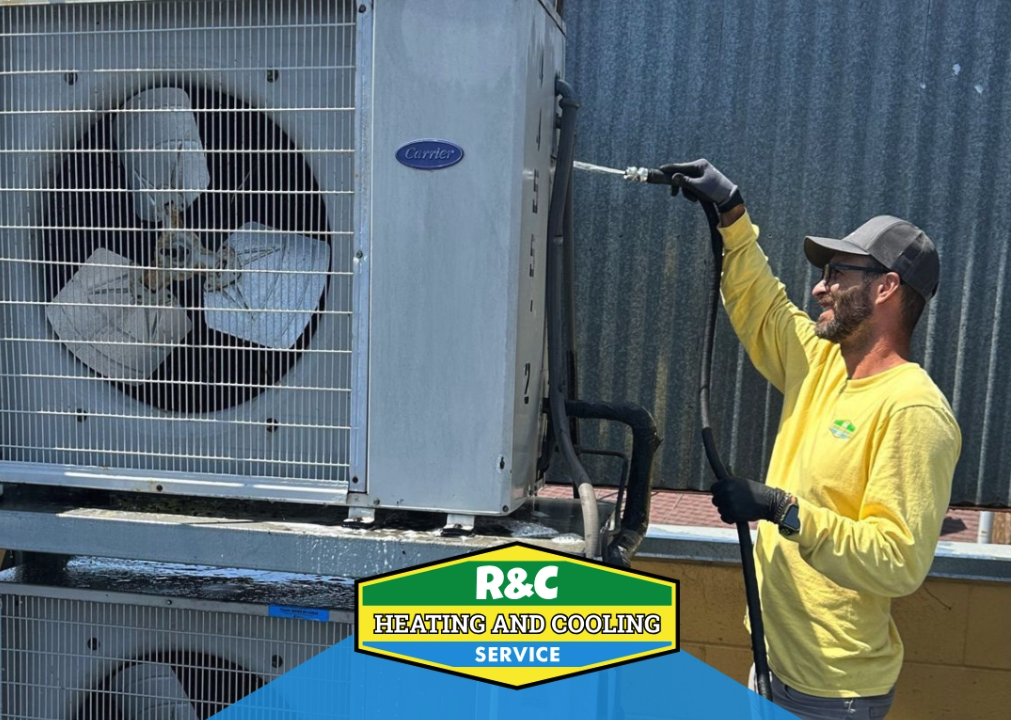
- Condenser coil inspection and fresh-water rinse to remove salt deposits that reduce heat transfer efficiency and accelerate corrosion.
- Evaporator coil inspection for biological growth and debris accumulation, with cleaning as needed.
- Refrigerant pressure check to confirm charge levels are within manufacturer specifications. In California Climate Zone 6, standard central air conditioners do not require HERS charge verification during maintenance, but the reading should still be documented in a written report.
- Electrical connection inspection and tightening, with particular attention to components exposed to outdoor salt air.
- Capacitor and contactor testing, since these components are common failure points on systems that have experienced accelerated corrosion.
- Blower motor and belt inspection to ensure proper airflow throughout the duct system.
- Condensate drain flush to prevent water backup, which is a real risk in Santa Monica’s higher-humidity coastal environment.
- Overall system performance documentation in a written report the homeowner can retain for insurance or resale purposes.
Coastal properties along the Venice canals, the streets west of Lincoln Boulevard, and the neighborhoods immediately north of the Santa Monica Pier should ask specifically whether their contractor includes a salt-corrosion inspection and coil rinse. Many general HVAC checklists omit these steps entirely.
How Much Does an AC Tune-Up Cost in Santa Monica and Venice, CA?
Pricing in the coastal LA market runs meaningfully higher than national benchmarks, and there are real structural reasons for that gap. Nationally, Angi’s 2026 HVAC cost data shows AC tune-ups averaging $175 to $350, with a broad range from $100 to $650 depending on system type and location. In the Los Angeles coastal market, the calculus shifts.
| Service Scope | Typical Price Range (Santa Monica / Venice, CA) | Notes |
|---|---|---|
| Standard single-system tune-up | $100 to $200 | Inspection, coil check, filter, refrigerant reading |
| Coastal full tune-up with corrosion inspection | $129 to $199 | Includes fresh-water coil rinse, salt-damage assessment |
| Two-system tune-up (e.g., main home plus ADU) | $229 to $329 | Per-system pricing discounted at bundle |
| Mini-split tune-up | $200 to $400 | Higher due to additional heads and refrigerant line checks |
| Annual comfort or maintenance plan | $15 to $25 per month per system | Priority scheduling, discounted repairs included |
Local labor rates in the Santa Monica and Venice market run $100 to $150 per hour, compared to a national average closer to $75 per hour. Coastal-spec equipment requirements and the city’s independent permitting process add a further layer to pricing that homeowners moving from inland areas sometimes find surprising. When you factor in that the median home price in Santa Monica is approximately $1,697,000, the math on a $150 annual tune-up protecting that investment is straightforward.
According to ENERGY STAR, the average household spends nearly $1,900 per year on energy bills, with nearly half going to heating and cooling. Dirt and neglect are the top causes of HVAC system failure, making regular maintenance the most cost-effective step any homeowner can take to protect both energy efficiency and system lifespan.
How Often Should Venice and Santa Monica Homeowners Schedule a Tune-Up?
The standard industry guidance is once per year, ideally in spring before demand peaks. For coastal properties in Venice and Santa Monica, that recommendation should be adjusted. Specialists in salt-air environments specifically recommend twice-yearly professional maintenance for homes within the marine layer’s consistent reach, combined with monthly fresh-water rinses of outdoor condenser units by the homeowner to flush accumulated salt between professional visits.
The practical reason is simple: the ocean does not take summers off. While your AC may run fewer hours during a 72-degree Santa Monica July than it would during a 105-degree Chatsworth August, the salt air is degrading condenser coils and electrical terminals regardless of whether the compressor is running. A spring tune-up prepares the system for its working season. A fall tune-up catches the salt damage accumulated over the year and primes the system for winter, particularly important for combination heat pump systems that will be providing heating through the mild but damp coastal winter.
Older pre-1980 bungalows, which are common throughout Venice and the Ocean Park and Sunset Park neighborhoods of Santa Monica, often have aging ductwork that benefits from a more attentive annual inspection. The growing ADU market in both cities adds another dimension: a detached accessory dwelling unit on the same parcel typically requires its own tune-up, and bundling both visits is usually the most cost-efficient approach.
Santa Monica’s Permitting Rules and What They Mean for AC Work
Santa Monica operates as its own jurisdiction, meaning all mechanical permits for HVAC work are pulled through the City of Santa Monica Building and Safety Division, not through the Los Angeles Department of Building and Safety. This distinction matters for homeowners who have used LA-based contractors before, since the permitting process, fee schedule, and inspection requirements differ.
Santa Monica falls within California Climate Zone 6, which carries specific SEER2 efficiency requirements for equipment replacements. Standard central air conditioners in CZ 6 do not require HERS refrigerant charge verification, but heat pump replacements do. The city also has active policy momentum pushing toward heat pumps on full system replacements, so homeowners planning an upgrade in the next few years should ask their contractor about how current tune-up work positions the existing system for an eventual compliant transition.
Only contractors holding a valid California CSLB C-20 (Warm-Air Heating, Ventilating, and Air-Conditioning) or C-38 (Refrigeration) license may legally pull HVAC permits for work on residential properties in Santa Monica. Verifying your contractor’s license before any work begins is a basic but critical step, particularly in a market where unlicensed HVAC operators do find work.
Is an AC Tune-Up Worth It for a Santa Monica Home?
In a market where homes regularly trade above $1.6 million and where salt-air corrosion is an active, year-round threat to mechanical systems, the question almost answers itself. A neglected AC system that fails during a mid-summer heat event does not just mean discomfort. It can mean emergency service premiums, potential water damage from a backed-up condensate drain, and compressed timelines for equipment decisions that are better made without urgency.
Beyond system protection, consistent tune-up records are a tangible asset at resale. Buyers in the Santa Monica market, particularly in premium neighborhoods north of Montana Avenue or in the walkable blocks near Abbot Kinney in Venice, expect documentation of maintenance history. A file of annual tune-up reports from a licensed local contractor is a credible signal of a well-maintained home.
For the Spring AC tune-up checklist for Santa Monica CA homeowners, the full breakdown of what to expect, what to ask your technician, and how to prepare your system after the marine layer season covers these steps in detail.
Choosing a Local HVAC Contractor for Venice and Santa Monica
The coastal context of this market means not every HVAC company is equally qualified to serve it well. A contractor whose primary experience is in the inland Valley may not reflexively include a coil rinse or corrosion inspection, not because of negligence, but because those steps are not standard practice in drier environments. The right questions to ask before booking are whether the contractor is licensed (C-20 or C-38), whether the tune-up includes a written report, and whether the checklist specifically addresses coastal corrosion inspection.
R&C Heating and Cooling Service serves the Venice and Santa Monica market with a checklist built for coastal conditions, not generic Southern California ones. Their technicians understand the difference between Climate Zone 6 compliance and inland zone requirements, and they document every visit with a written report homeowners can keep on file.
For scheduling or to confirm service availability in your neighborhood, find R&C Heating and Cooling Service on Google, or locate them directly on R&C Heating and Cooling Service via Google Maps for directions and current hours.
According to HomeAdvisor’s AC maintenance cost data, homeowners who schedule regular professional maintenance consistently report lower repair costs and longer system lifespans, outcomes that carry even more weight in a high-value coastal market where equipment replacement involves coastal-spec components and independent city permitting.
If your system has not been serviced since last season, or if you have moved into a Santa Monica or Venice property without clear maintenance records, spring is the right time to act. Call R&C Heating and Cooling Service to schedule a coastal-specific tune-up before summer demand tightens technician availability across the Westside.
Frequently Asked Questions
What does an AC tune-up include in Santa Monica, CA?
A Santa Monica AC tune-up covers thermostat calibration, air filter inspection, condenser coil cleaning with a fresh-water salt rinse, evaporator coil check, refrigerant pressure verification, electrical connection inspection, capacitor and contactor testing, condensate drain flush, and a written performance report. Coastal properties require the salt-rinse and corrosion inspection steps that inland checklists often omit entirely.
How much does an AC tune-up cost in Venice, CA?
In Venice and Santa Monica, a standard single-system tune-up runs $100 to $200. A full coastal tune-up including corrosion inspection and coil rinse typically costs $129 to $199. Two-system packages run $229 to $329. Mini-split systems cost $200 to $400. Annual maintenance plans average $15 to $25 per month and include priority scheduling and repair discounts.
How often should Santa Monica homeowners get an AC tune-up?
Standard guidance is once per year in spring, but coastal properties in Santa Monica and Venice benefit from twice-yearly professional maintenance. Salt air corrodes condenser coils and electrical components year-round, regardless of how often the system actually runs. Supplementing professional visits with monthly homeowner fresh-water rinses of outdoor units significantly extends equipment lifespan in this environment.
Do I need a permit for AC work in Santa Monica?
Tune-ups and routine maintenance do not require permits. Full system replacements do, and permits in Santa Monica are pulled through the City’s own building department, not LADBS. Only contractors with a California CSLB C-20 or C-38 license may legally pull these permits. Santa Monica also falls in Climate Zone 6, which has specific SEER2 efficiency requirements for new equipment installations and replacements.
What happens if I skip AC maintenance in a coastal area like Venice?
Skipping annual maintenance in a salt-air coastal environment accelerates corrosion on condenser coils, electrical terminals, and refrigerant fittings at roughly ten times the rate of inland degradation. Over two to three seasons, this leads to reduced efficiency, higher energy bills, component failures, and shortened overall system lifespan. For Santa Monica homes valued above the $1.6 million median, the cost of neglect far exceeds a routine annual tune-up.
How do I know if my AC needs a tune-up right now?
Key signs include reduced airflow from vents, longer run cycles to reach the set temperature, unusual sounds from the outdoor condenser unit, visible rust or white salt residue on the cabinet, higher-than-normal energy bills, or a condensate drain that has backed up. If your system has not been professionally serviced in over twelve months, scheduling a tune-up is warranted regardless of whether symptoms are present.