California’s 2026 Gas Ban: What Santa Monica Homeowners Need to Know
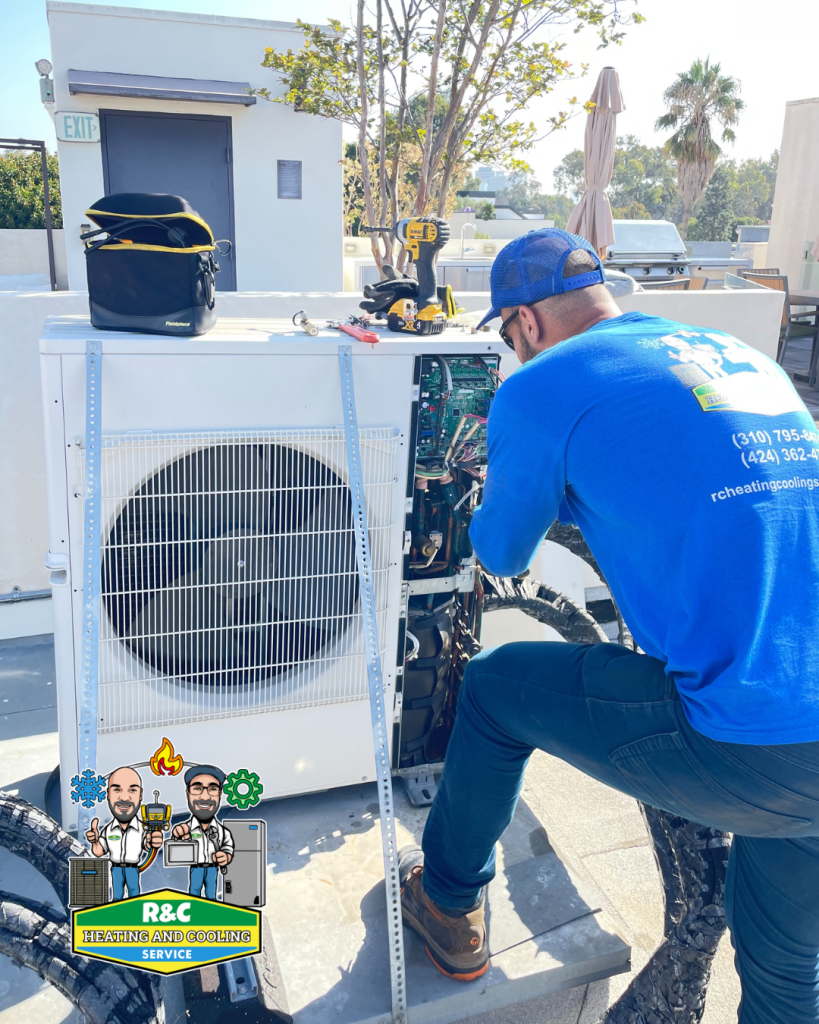
If you’ve been following California’s climate initiatives, you’ve likely heard about the upcoming changes to gas appliance regulations. As a Heating contractor in Santa Monica, California, we’ve been answering questions from concerned homeowners almost daily. The good news? There’s no need to panic. The reality is more nuanced than the headlines suggest, and understanding what’s actually changing can help you make informed decisions about your home’s heating system.
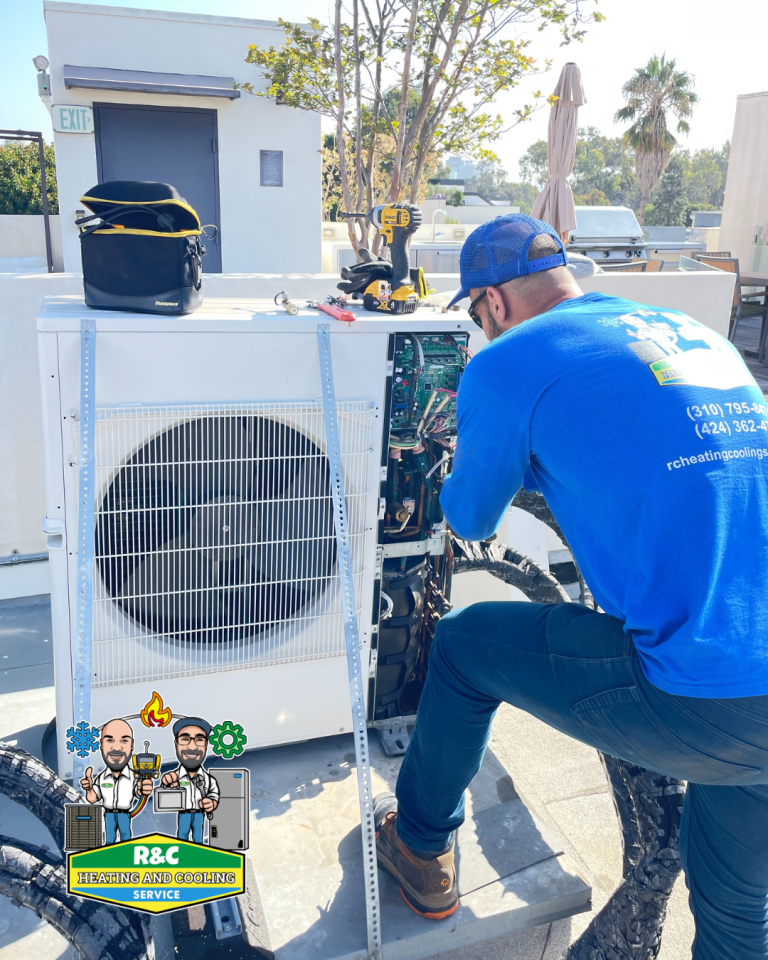
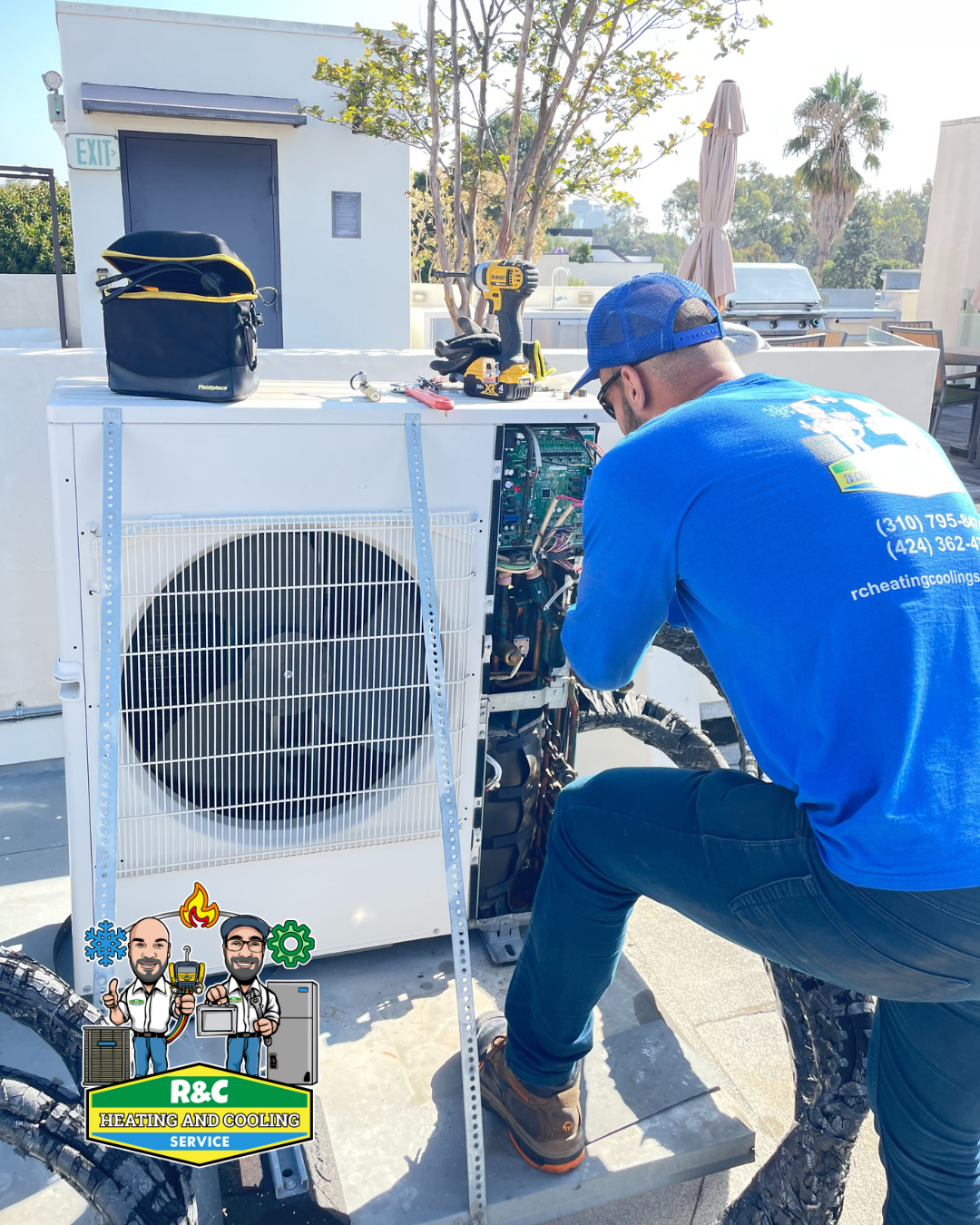
At R&C Heating and Cooling Service, we’ve been serving Santa Monica residents for years, and we’ve installed dozens of heat pump systems in homes throughout the area. We’ve seen firsthand how these regulations affect real families, and we’re here to break down what the 2026 mandate means for your home, your budget, and your comfort.
Understanding the 2026 Mandate: Separating Fact from Fiction
The California Air Resources Board (CARB) approved regulations in August 2023 that will phase out the sale of new gas-fired furnaces and water heaters starting January 1, 2026. This is part of California’s broader strategy to achieve carbon neutrality by 2045, but let’s clarify what this actually means for you.
What the Regulation Does
The mandate specifically prohibits the sale and installation of new gas furnaces and water heaters in California beginning in 2026. It’s crucial to understand this is not a possession ban. Here’s what that means in practical terms:
- Existing Systems: If you currently have a gas furnace, you can continue using it indefinitely. There’s no requirement to remove or replace it simply because of this regulation.
- Repairs Are Allowed: If your gas system needs repairs, you can continue to have it serviced and repaired by qualified technicians. Replacement parts will still be available.
- The Focus Is New Installations: The regulation targets the point of replacement. When your existing system reaches the end of its useful life—typically 15 to 20 years for gas furnaces—your replacement options will be limited to zero-emission alternatives.
Santa Monica’s Local Context
Santa Monica has been ahead of the curve on building decarbonization. The city adopted reach codes in 2021 that already restrict gas appliances in new construction and major renovations. According to the City of Santa Monica, these local regulations align with the city’s goal to be carbon neutral by 2030—fifteen years ahead of the state target.
What this means is that many new buildings in Santa Monica are already all-electric, and the 2026 statewide mandate simply extends this approach to replacement installations citywide.
Why Heat Pumps Are the Solution
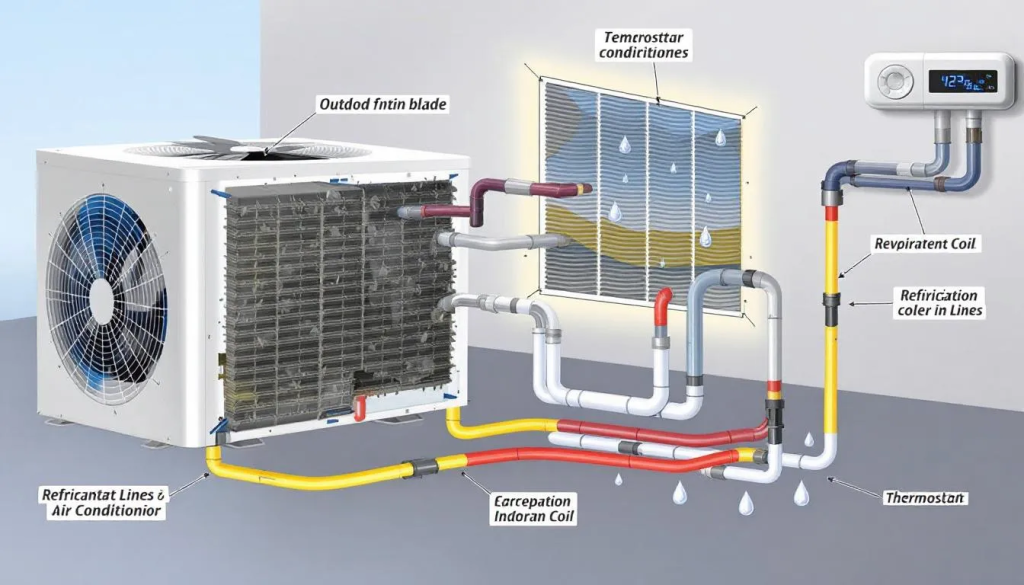
To comply with California’s Title 24 energy standards and the upcoming mandate, the HVAC industry is transitioning to electric heat pumps as the primary heating solution. Unlike traditional gas furnaces that generate heat through combustion, heat pumps transfer heat from outside air into your home—even when it’s cold outside.
How Heat Pumps Work
Heat pumps operate on the same principle as your refrigerator, but in reverse. They use a refrigerant cycle to extract heat from outdoor air and concentrate it inside your home. During summer, the process reverses to provide cooling, making heat pumps a year-round climate control solution.
Modern heat pumps are measured by their Seasonal Energy Efficiency Ratio (SEER2) and Heating Seasonal Performance Factor (HSPF2). For Santa Monica’s climate zone, we typically recommend systems rated at least 16 SEER2 and 9 HSPF2 to maximize efficiency and savings.
Why Heat Pumps Excel in Santa Monica
Santa Monica’s coastal Mediterranean climate is nearly ideal for heat pump operation. Here’s why:
- Mild Winter Temperatures: With average winter lows around 48°F, heat pumps operate at peak efficiency. Unlike colder climates where backup resistance heating may be needed, Santa Monica’s moderate temperatures allow heat pumps to maintain high performance year-round.
- Dual Functionality: Heat pumps provide both heating and high-efficiency air conditioning in a single system, eliminating the need for separate furnace and AC units.
- Superior Efficiency: According to the U.S. Department of Energy, heat pumps can achieve seasonal efficiency ratings (HSPF) of 10 or higher, compared to gas furnaces at 80-95% Annual Fuel Utilization Efficiency (AFUE). In practical terms, this translates to 2-3 times better energy efficiency, especially in mild climates like ours.
- Enhanced Safety: With no combustion occurring inside your home, heat pumps eliminate the risk of carbon monoxide leaks—a particular concern in tightly sealed coastal homes.
- Consistent Comfort: Heat pumps deliver steady, even heating without the temperature swings associated with gas furnaces cycling on and off.
What This Means for Your Home: A Practical Assessment
As a Santa Monica HVAC Company, we recommend homeowners evaluate their current system to determine the best timing for an upgrade. Here’s how to assess your situation:
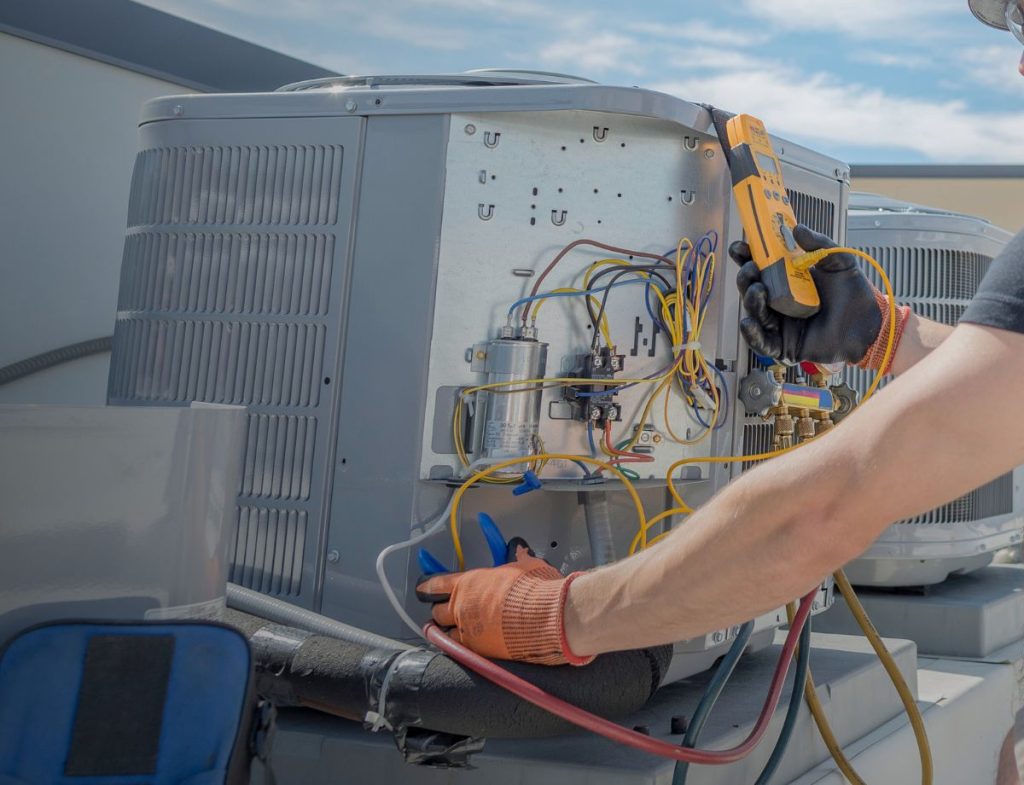
Is Your System Ready for Replacement?
Consider these factors when evaluating your current gas furnace:
- Age: If your furnace is 12-15 years old or older, you’re approaching the typical replacement timeline. Gas furnaces generally last 15-20 years with proper maintenance.
- Repair Costs: If you’re spending $500 or more annually on repairs, or if a single repair would cost more than 30% of a new system, replacement often makes more financial sense.
- Rising Energy Bills: Older systems lose efficiency over time. If your heating costs have been steadily increasing, a new high-efficiency heat pump could provide substantial savings.
- Uneven Heating: If some rooms are too hot while others remain cold, your system may be struggling to distribute air effectively.
- Yellow Pilot Light: This indicates incomplete combustion and potential carbon monoxide issues—a serious safety concern requiring immediate attention.
Electrical Infrastructure Considerations
One practical consideration we frequently address is electrical capacity. Most Santa Monica homes built before 1990 have 100-amp electrical panels. Heat pumps typically require 200-amp service to ensure adequate power supply, especially if you’re also upgrading to an electric water heater.
The cost for electrical panel upgrades typically ranges from $2,500 to $4,000, depending on your home’s current configuration and local permit requirements. Santa Monica requires permits for both HVAC replacements and electrical work, with typical processing times of 5-7 business days.
Financial Incentives: Making the Switch Affordable
The transition to electric heating isn’t just about regulatory compliance—it’s also about taking advantage of unprecedented financial incentives. Right now, federal, state, and local programs can significantly reduce your out-of-pocket costs.
Federal Tax Credits
The Inflation Reduction Act of 2022 established the Energy Efficient Home Improvement Credit (25C), which provides up to $2,000 in tax credits for qualified heat pump installations. This is a lifetime limit, and you must itemize deductions on your tax return. The credit covers 30% of costs up to the maximum amount.
Additionally, income-qualified households may be eligible for the High-Efficiency Electric Home Rebate Act (HEEHRA), which can provide up to $8,000 in rebates for heat pump installations with no lifetime limit.
California State Incentives
The TECH Clean California program offers substantial rebates for heat pump installations. As of early 2025, available incentives include:
- Market-Rate Rebates: $3,000 to $4,000 for qualifying heat pump systems
- Income-Qualified Rebates: Up to $6,000 for households meeting income requirements
- Additional Incentives: Bonus rebates for replacing older, inefficient systems and for homes without existing ductwork
These rebates are often processed as instant discounts at the point of sale, reducing your upfront investment immediately.
Local Utility Programs
Southern California Edison offers additional rebates and incentives for energy-efficient upgrades. Their programs complement state and federal incentives and can provide further savings on your installation.
Real Cost Example
Let’s look at a typical 1,500-square-foot Santa Monica home:
- Heat pump system installation: $15,000
- TECH Clean California rebate: -$4,000
- Federal 25C tax credit: -$2,000
- Utility rebate: -$500
- Net cost: $8,500
Compare this to continued gas heating costs. The average Santa Monica home spends $800-$1,200 annually on gas heating. With a heat pump, those costs typically drop to $400-$600, creating annual savings of $400-$800. At this rate, the system pays for itself in 11-14 years—well within the expected 15-20 year lifespan of the equipment.
Common Concerns Addressed
During our consultations with Santa Monica homeowners, we hear similar questions repeatedly. Here are the answers to the most common concerns:
“What If My Heat Pump Breaks in 10 Years? Can I Replace It with Gas?”
No. Once the 2026 regulation takes effect, all new installations must be zero-emission systems. However, heat pumps typically last 15-20 years with proper maintenance, and repair parts will continue to be readily available for existing systems.
“Will My Homeowners Association Allow a Heat Pump?”
Under California Civil Code Section 4746, HOAs cannot prohibit the installation of heat pumps that comply with state energy standards. If your HOA has restrictions, they’re required to allow installations that meet these requirements, though they may impose reasonable aesthetic guidelines.
“Do Heat Pumps Work When It’s Cold?”
Modern cold-climate heat pumps operate effectively in temperatures well below freezing. In Santa Monica, where winter temperatures rarely drop below 40°F, heat pumps operate at peak efficiency throughout the heating season.
“What About Homes Without Existing Ductwork?”
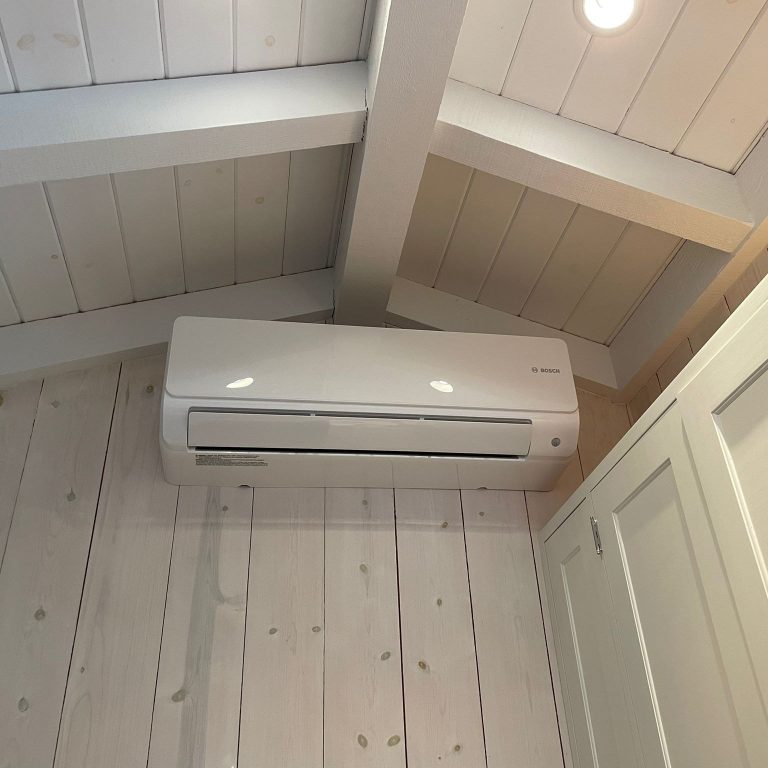
Mini-split heat pumps offer an excellent solution for homes without ductwork. These systems use individual indoor units mounted in each room, connected to an outdoor compressor. They’re highly efficient and provide room-by-room temperature control.
“How Does This Affect My Home’s Resale Value?”
All-electric homes are increasingly attractive to buyers, particularly in environmentally conscious markets like Santa Monica. Upgraded, efficient systems typically enhance property value, and having a compliant heating system positions your home well for future buyers who won’t face immediate replacement costs.
When to Make the Switch: Timing Your Upgrade
While there’s no immediate crisis, strategic timing can maximize your benefits. Here’s our recommendation for Santa Monica homeowners:
If Your System Is 12+ Years Old
Consider proactive replacement now to take advantage of current incentives. Many rebate programs have limited funding and may be reduced or eliminated as demand increases closer to the 2026 deadline. Additionally, avoiding the rush means more contractor availability and potentially better pricing.
The ideal installation window in Santa Monica is typically April through June. Weather is mild, reducing the urgency if installation takes a few days, and contractor schedules are generally more flexible before the summer air conditioning rush.
If Your System Is Under 10 Years Old
Continue regular maintenance to maximize your system’s lifespan. Schedule annual inspections, change filters regularly, and address small repairs promptly. Start researching options and setting aside funds so you’re prepared when replacement becomes necessary.
If You’re Facing an Immediate Breakdown
If your system fails before 2026, you still have the option to replace it with another gas furnace. However, we encourage considering a heat pump even in emergency situations. The long-term benefits often outweigh the slightly higher upfront investment, and emergency HEATING REPAIR costs can approach the incremental difference anyway.
Working with Qualified Contractors
Choosing the right contractor is crucial for a successful heat pump installation. At R&C Heating and Cooling Service, we’re licensed California C-20 HVAC contractors (license verification available through the California Contractors State License Board), and we recommend homeowners verify any contractor’s credentials before proceeding.
What to Look for in a Contractor
- Proper Licensing: Verify C-20 HVAC contractor license through CSLB.ca.gov
- Experience with Heat Pumps: Ask about specific heat pump installation experience and request references
- Load Calculations: Ensure the contractor performs Manual J load calculations to properly size your system
- Permit Knowledge: Your contractor should handle all required Santa Monica building permits
- Rebate Assistance: Choose a contractor familiar with navigating TECH Clean California and federal incentive programs
Questions to Ask During Consultations
When meeting with potential contractors, ask:
- How many heat pump systems have you installed in Santa Monica?
- What brands and models do you recommend and why?
- Will my electrical panel need upgrading?
- What’s the total project timeline including permits?
- How do you handle rebate applications?
- What warranties do you offer on equipment and installation?
- Can you provide references from recent Santa Monica installations?
Preparing Your Home for Installation
Once you’ve decided to proceed with a Heating Installation, here’s what to expect:
Pre-Installation Assessment
Your contractor will perform a comprehensive home assessment including:
- Manual J load calculation to determine proper system sizing
- Evaluation of existing ductwork condition and capacity
- Electrical panel inspection and capacity assessment
- Outdoor unit placement evaluation considering noise, aesthetics, and efficiency
- Review of any Santa Monica municipal requirements or HOA guidelines
Installation Process
A typical heat pump installation in a Santa Monica home takes 1-2 days, depending on complexity. The process includes:
- Removal of old equipment (if replacing an existing system)
- Electrical work (panel upgrade if necessary)
- Installation of outdoor heat pump unit
- Installation or modification of indoor air handler
- Refrigerant line installation
- Thermostat upgrade to a heat pump-compatible model
- System testing and commissioning
- Homeowner training on operation
Post-Installation
After installation, your contractor should provide:
- Complete documentation including permits and inspections
- Warranty information for equipment and installation
- Maintenance schedule recommendations
- Thermostat programming guidance
- Rebate and tax credit application support
Taking Action: Your Next Steps
The 2026 mandate is approaching, but you have time to make informed decisions. Here’s your action plan:
Immediate Steps (This Month)
- Assess your current system’s age and condition
- Research available incentives and verify your eligibility
- Request free energy assessments from Southern California Edison
- Begin gathering quotes from at least three licensed contractors
- Verify contractor licenses and check references
Near-Term Planning (Next 3-6 Months)
- Compare quotes and contractor proposals
- Confirm available rebates and incentive amounts
- Schedule installation during optimal timing (spring or early summer)
- Begin rebate application process with your chosen contractor
- Arrange financing if necessary
Important Considerations
- Don’t Wait Until Emergency: Rushed decisions during system failures limit your options and may result in higher costs
- Install Before Peak Season: Summer air conditioning failures create contractor bottlenecks
- Maximize 2025 Incentives: Some federal tax credits are scheduled to decrease in future years
- Plan for Electrical Upgrades: Budget additional time and cost if panel upgrades are needed
Conclusion: Future-Proofing Your Santa Monica Home
California’s 2026 gas ban represents a significant shift in how we heat our homes, but it’s also an opportunity. For Santa Monica homeowners, the combination of our ideal climate, substantial financial incentives, and the long-term benefits of heat pump technology makes this transition more manageable than many initially fear.
At R&C Heating and Cooling Service, we’ve guided dozens of Santa Monica families through this transition. We’ve seen firsthand how modern heat pumps deliver exceptional comfort, significant energy savings, and peace of mind knowing your home is equipped with future-compliant technology.
Whether your gas furnace is approaching the end of its life or you’re simply planning ahead, now is the time to explore your options. The current incentive landscape is remarkably favorable, contractor availability is still reasonable, and you have time to make a thoughtful, informed decision rather than facing an emergency replacement under deadline pressure.
Ready to discuss your specific situation? Book appointment with our team for a comprehensive assessment of your home’s heating needs. We’ll provide honest guidance, accurate cost estimates, and help you navigate the full incentive landscape to make your transition to efficient, clean heating as smooth and affordable as possible.
Disclosure: R&C Heating and Cooling Service is a licensed HVAC contractor specializing in heat pump installations. This article provides general information based on our experience serving Santa Monica homeowners. Individual circumstances vary, and we recommend consulting with licensed contractors and tax professionals for your specific situation. Information is current as of March 2025 and incentive programs are subject to change.