Complete Guide to Airco Repair: When, How, and Who to Choose
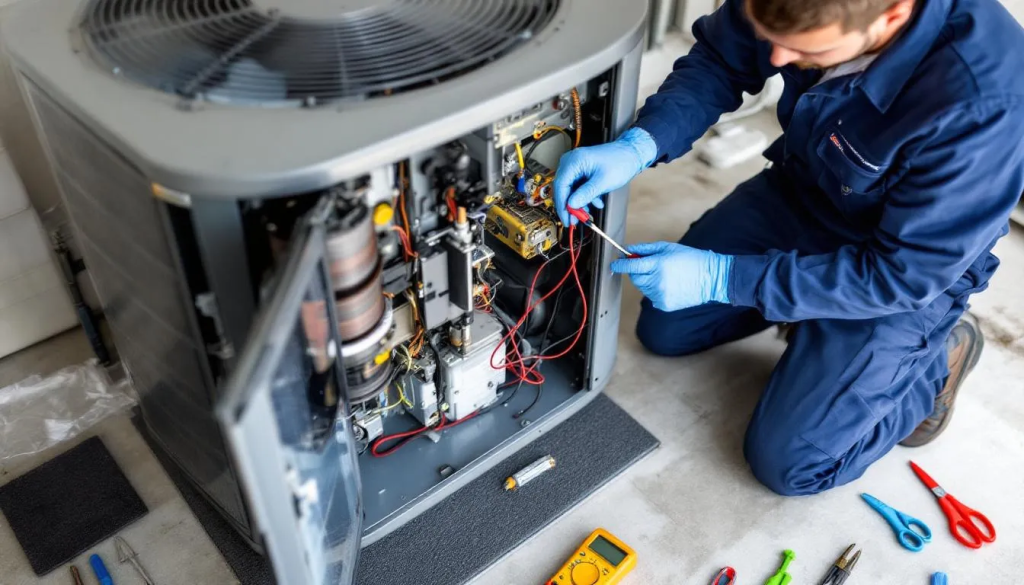
Air conditioning repair services are essential for maintaining comfortable indoor temperatures and preventing costly system failures. When your ac unit starts showing signs of trouble – from weak airflow to strange noises – understanding your repair options can save you hundreds of dollars and weeks of discomfort. Professional air conditioning repair addresses everything from simple dirty air filter replacements to complex refrigerant leaks and compressor failures.
Timely ac repair prevents minor issues from escalating into expensive repairs while maintaining optimal cooling efficiency and indoor air quality throughout your home.
What This Guide Covers
This comprehensive guide covers troubleshooting common ac issues, choosing reliable repair services, understanding repair costs, and implementing preventive maintenance strategies. We focus on practical repair decisions rather than new system installation or complex HVAC design considerations.
Who This Is For
This guide is designed for homeowners experiencing air conditioning problems, property managers responsible for multiple cooling systems, and anyone weighing repair versus ac replacement options. Whether you’re dealing with an emergency breakdown or planning routine maintenance, you’ll find actionable solutions for your specific situation.
Why This Matters
Proper air conditioning repair and maintenance prevents system breakdowns during peak cooling seasons, reduces energy bills by up to 15%, and extends your ac system’s lifespan by several years. Neglecting repair needs often transforms affordable fixes into costly replacements.
What You’ll Learn:
How to identify common ac repair needs before they become major problems
When to attempt DIY troubleshooting versus calling professional repair services
How to choose reliable air conditioning repair companies and avoid hidden fees
Cost expectations for different types of ac repairs and maintenance services
Understanding Airco Systems and Common Repair Needs
Air conditioning systems use refrigerant circulation to remove heat from indoor air and expel it outside through a network of connected components. The core elements include the compressor (which pressurizes refrigerant), evaporator coil (which absorbs indoor heat), condenser coils (which release heat outdoors), and various electrical components that control system operation.
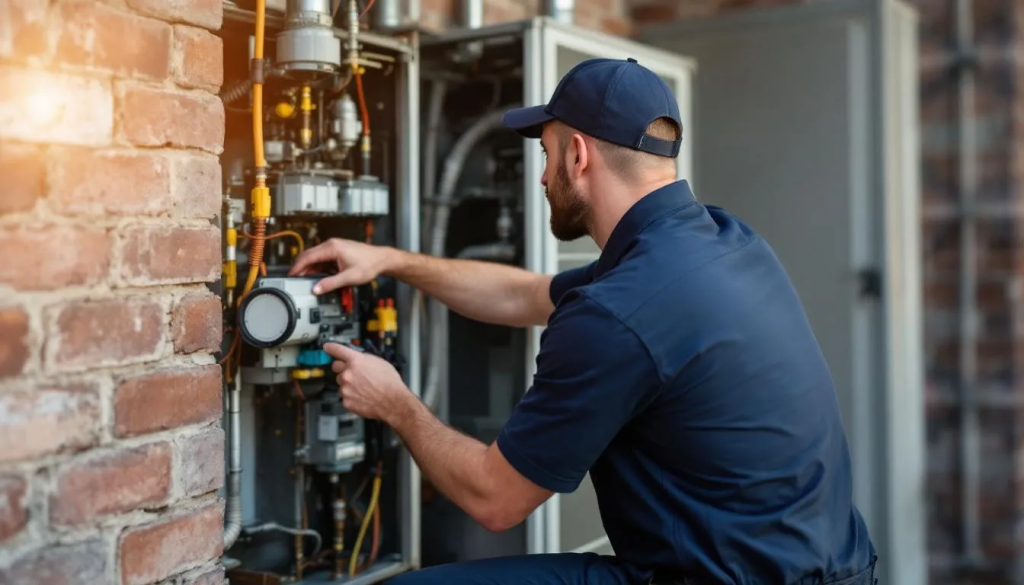
Understanding these basic components helps homeowners recognize when their cooling system requires professional attention and communicate effectively with hvac technicians during service calls.
Most Common Airco Problems
Refrigerant leaks represent one of the most frequent ac repair needs, reducing cooling performance while forcing your system to work harder and consume more energy. Low refrigerant levels prevent proper heat absorption, leading to inadequate cold air production and potential compressor damage if left unaddressed.
This connects to overall system efficiency because refrigerant acts as the heat transfer medium – without proper levels, your air conditioner cannot maintain comfortable temperatures regardless of how long it runs.
Electrical and Mechanical Failures
Compressor malfunctions, fan motor breakdowns, and thermostat problems create mechanical disruptions that compound cooling issues beyond simple refrigerant concerns. A tripped circuit breaker might prevent your ac unit from starting, while a blown fuse could disable specific system components.
Building on refrigerant issues, mechanical problems often result from systems working overtime to compensate for other inefficiencies, creating cascading failures that require comprehensive repair approaches.
Transition: Recognizing these underlying system relationships helps identify specific warning signs that indicate when your air conditioning system needs immediate professional attention.
Identifying When Your Airco Needs Repair
Early warning signs of ac problems allow homeowners to schedule repairs before complete system failures occur, avoiding emergency repair costs and uncomfortable indoor conditions.
Temperature and Cooling Issues
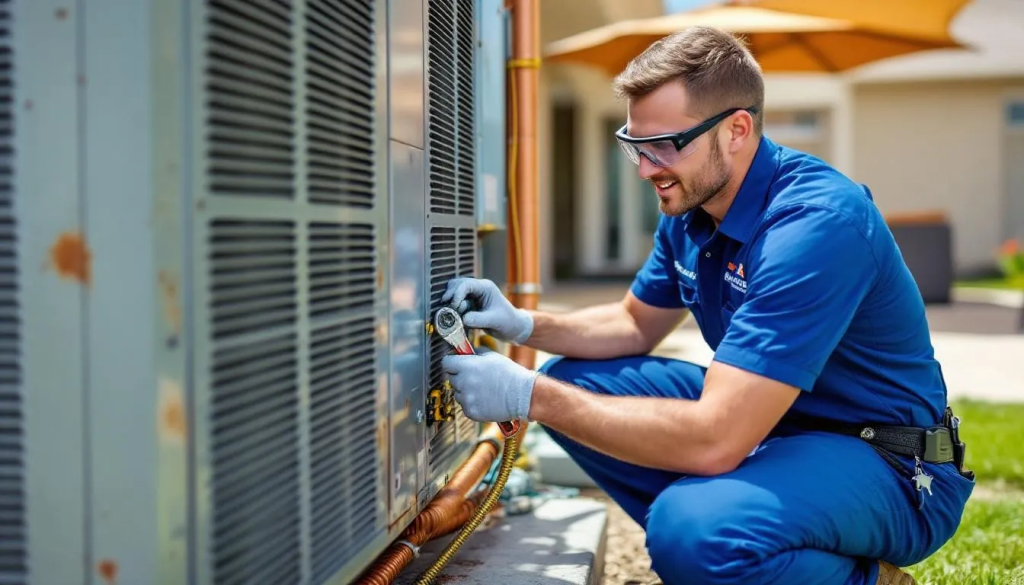
Weak airflow, inconsistent cooling across rooms, and inability to produce cold air signal potential problems with air filters, ductwork, or refrigerant levels. When your air conditioner runs continuously without reaching thermostat settings, this typically indicates reduced cooling efficiency requiring professional diagnosis.
Energy efficiency ratings (SEER – Seasonal Energy Efficiency Ratio) help technicians determine whether repair costs justify system improvements versus ac replacement considerations.
Unusual Sounds and Odors
Grinding, rattling, or banging loud noises during ac operation often indicate mechanical component wear or loose parts requiring immediate attention. Normal system sounds include gentle humming from the compressor and soft airflow through vents.
Unlike normal cooling issues that develop gradually, unusual noises typically signal mechanical failures that can cause expensive repairs if components continue operating under stress.
Performance and Energy Indicators
High energy bills without increased usage, frequent system cycling, and poor humidity control suggest declining ac performance that professional maintenance can often resolve cost-effectively.
Key Points:
Weak airflow usually indicates clogged air filter or ductwork problems
Strange noises require immediate professional inspection to prevent damage
Rising energy costs often signal declining system efficiency
Transition: Understanding these warning signs helps determine whether basic troubleshooting steps can resolve issues or whether professional air conditioning repair services are necessary.
Professional Airco Repair vs DIY Solutions
Homeowners can safely address basic maintenance tasks while leaving complex repairs involving electrical components and refrigerant handling to skilled technicians who possess proper training and equipment.
Step-by-Step: Basic DIY Troubleshooting
When to use this: Before calling ac repair services, homeowners should verify these basic system elements to potentially avoid service call fees.
Check Thermostat Settings: Verify cooling mode activation, temperature settings below current room temperature, and fresh batteries in digital units.
Inspect Air Filters: Replace dirty filter with manufacturer-specified type to restore proper airflow and cooling performance.
Examine Circuit Breakers: Reset any tripped breakers at your electrical panel, but call professionals if breakers trip repeatedly.
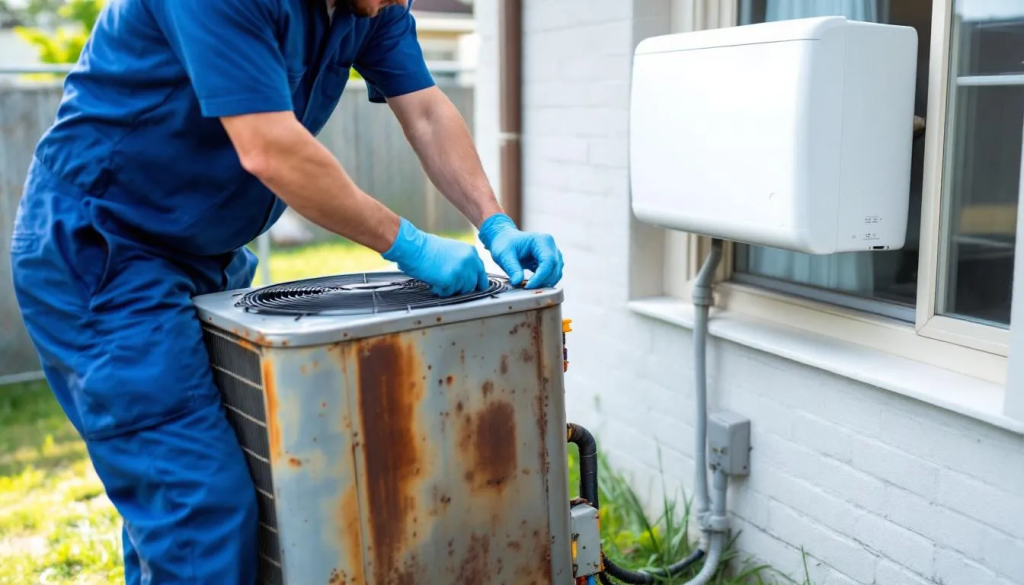
Clear Outdoor Unit: Remove debris, vegetation, and obstructions within two feet of condenser coils to ensure adequate heat dissipation.
Comparison: DIY Repairs vs Professional Service
Feature | DIY Approach | Professional Air Conditioning Repair |
|---|---|---|
Cost | $20-$50 for basic supplies | $150-$1,200 depending on repair complexity |
Safety | Low risk for filter/thermostat tasks | Required for electrical and refrigerant work |
Warranty | No coverage for self-performed work | Guaranteed repairs with follow up support |
Complexity | Limited to basic maintenance | Handles all ac issues including major repairs |
Feature
DIY Approach
Professional Air Conditioning Repair
Cost
$20-$50 for basic supplies
$150-$1,200 depending on repair complexity
Safety
Low risk for filter/thermostat tasks
Required for electrical and refrigerant work
Warranty
No coverage for self-performed work
Guaranteed repairs with follow up support
Complexity
Limited to basic maintenance
Handles all ac issues including major repairs
Professional hvac technicians provide thorough inspection capabilities, proper diagnostic equipment, and warranty protection that justify higher costs for complex cooling system problems.
Transition: When DIY troubleshooting doesn’t restore ac running smoothly, choosing qualified repair services becomes essential for reliable system restoration.
Common Challenges and Solutions
Homeowners often encounter specific obstacles when seeking ac repair services, from finding trustworthy companies to understanding fair pricing for different types of cooling equipment repairs.
Challenge 1: Finding Reliable Airco Repair Companies
Solution: Verify state licensing requirements, read recent customer reviews focusing on repair quality and customer satisfaction, and confirm insurance coverage that protects your property during service visits.
Licensed hvac professionals demonstrate technical competency through certification programs and ongoing training that ensures proper handling of refrigerant and electrical systems.
Challenge 2: Understanding Repair Costs and Estimates
Solution: Request detailed written estimates from multiple ac repair companies, ask about transparent pricing policies, and understand typical cost ranges from $150 for minor repairs to $1,200 for major component replacements.
Reputable repair services explain labor rates, replacement parts costs, and diagnostic fees upfront to avoid unexpected charges during routine maintenance or emergency repairs.
Challenge 3: Deciding Between Repair and Replacement
Solution: Apply the 50% cost rule (avoid repairs exceeding half of new unit price), consider system age (most air conditioners last 10-15 years), and evaluate potential energy savings from more energy efficient models.
Older systems requiring frequent repairs often cost more in cumulative repair and maintenance expenses than investing in a new system with improved cooling performance and lower energy costs.
Transition: Armed with this decision-making framework, homeowners can confidently pursue appropriate repair solutions for their specific ac system needs.
Conclusion and Next Steps
Effective air conditioning repair combines proactive maintenance, timely professional intervention, and informed decision-making about repair versus replacement options. Regular attention to your cooling system prevents emergency breakdowns while maintaining comfortable indoor temperatures and reasonable energy bills throughout peak cooling seasons.
To get started:
Assess your current ac system condition using the warning signs and troubleshooting steps outlined above
Research local certified repair companies with strong customer reviews and transparent pricing policies
Schedule preventive maintenance annually to catch potential issues before they require expensive repairs
Related Topics: Consider exploring ac maintenance schedules, energy efficiency upgrade options, and seasonal preparation strategies for optimal cooling system performance year-round.
Additional Resources
Emergency AC Repair Guidelines:
Keep contact information for 24/7 repair services during extreme weather periods
Know your electrical panel location and how to safely reset tripped circuit breakers
Understand basic system shutdown procedures to prevent damage during failures
Seasonal Maintenance Checklist:
Monthly air filter inspection and replacement as needed
Annual professional maintenance including refrigerant level checks and electrical component testing
Pre-season outdoor unit cleaning and clearance verification
Energy Efficiency Programs:
Research local utility rebates for high-efficiency ac replacement projects
Investigate tax credits for energy efficient cooling equipment installations
Consider smart thermostat upgrades for improved temperature control and energy savings