Essential Guide to Air Conditioner Repairs: When to DIY vs Call a Professional
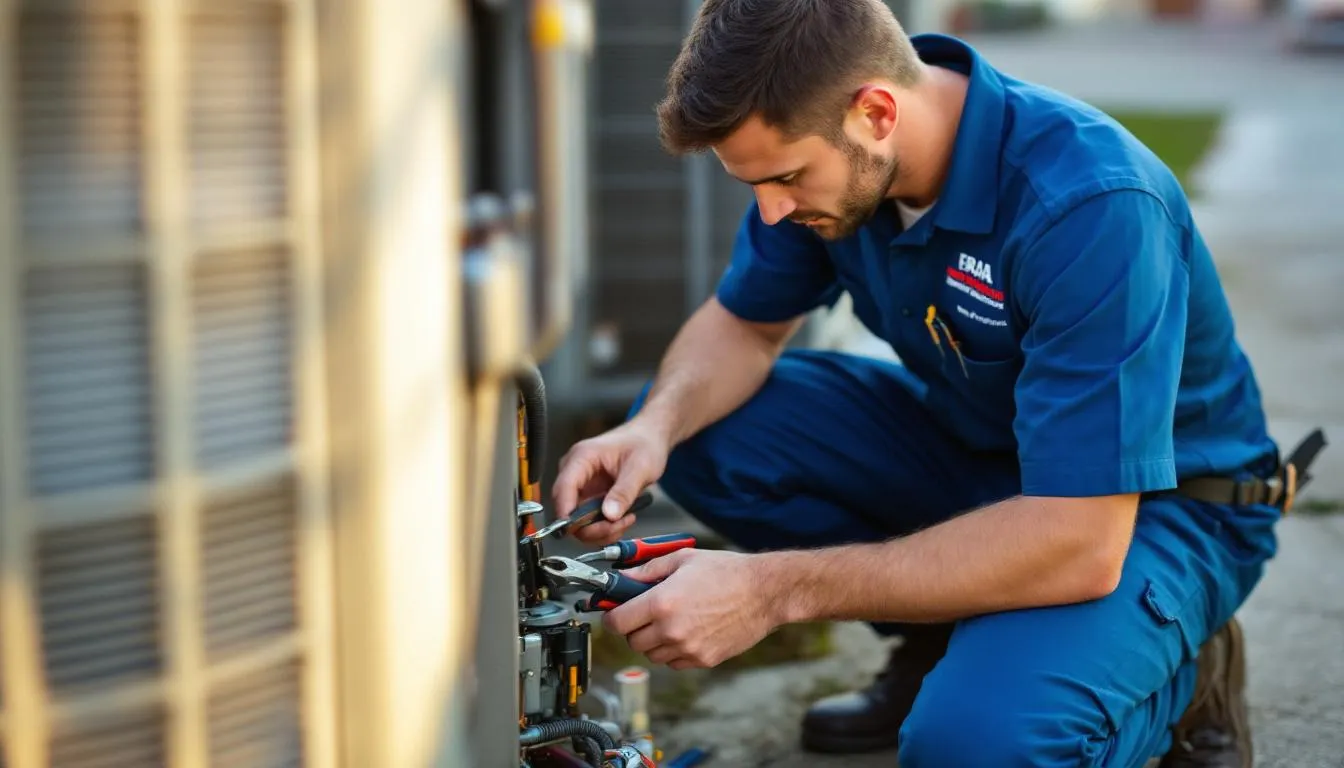
Air conditioner repairs can range from simple $25 DIY fixes to complex $2,000+ professional services, making it crucial to understand which repairs you can safely handle yourself and which require certified technicians. Most homeowners face AC problems during peak cooling season when service calls are expensive and technicians are overbooked.
What This Guide Covers
This comprehensive guide covers DIY air conditioner repairs under $100, professional repair scenarios requiring certification, essential safety protocols, and critical repair vs replacement decisions. We focus on central air conditioning systems and room air conditioners, excluding commercial HVAC systems and heat pump installations.
Who This Is For
This guide is designed for homeowners with basic tool skills, property managers, and anyone facing AC problems during cooling season. Whether you’re dealing with an ac unit that stopped working or planning routine maintenance, you’ll find cost-effective solutions and safety guidance.
Why This Matters
Air conditioning repair costs typically range from $150-$1,000+ for professional service calls, while simple component failures often cost under $50 in parts when handled as DIY repairs. Understanding repair fundamentals can save hundreds in unnecessary service calls and help you make informed decisions about ac replacement costs versus repair investments.
For year-round comfort and efficiency, consider scheduling an air conditioning tune-up before summer arrives.
What You’ll Learn:
Basic air conditioner repair fundamentals and component identification
Most common repair types and their typical cost ranges
Essential safety procedures for electrical work on AC units
Step-by-step procedures for common DIY repairs under $100
Understanding Air Conditioner Repair Fundamentals
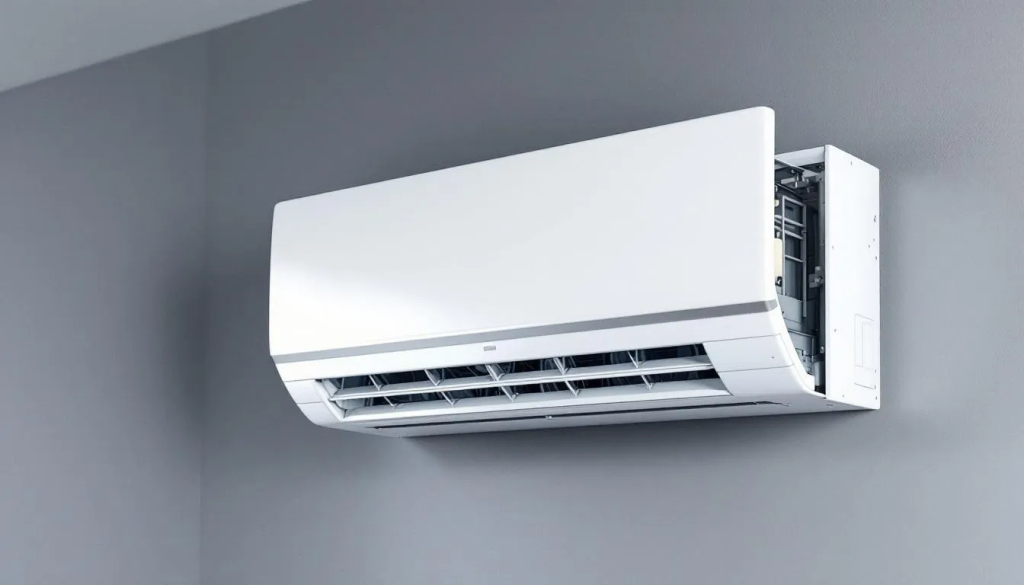
Air conditioner repair encompasses the diagnosis and remediation of malfunctions in residential cooling systems, distinguishing between simple maintenance tasks, component replacements, and complex system overhauls.
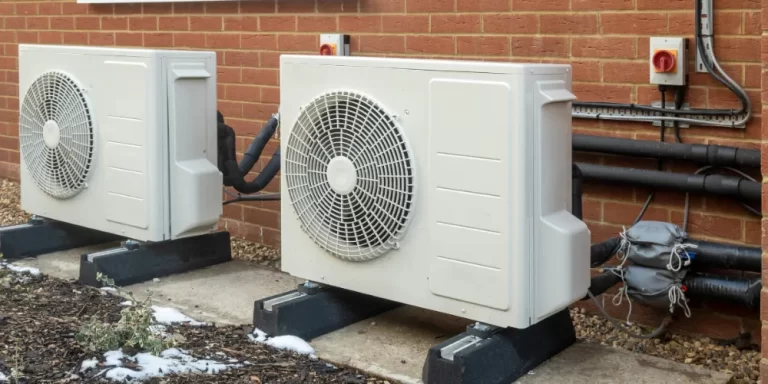
Central air conditioners consist of three primary components: the outdoor condensing unit (containing the compressor and condenser coil), the indoor evaporator coil, and the air handler with fan motor. Understanding these major components helps determine whether repairs fall within DIY capabilities or require professional intervention.
DIY-Repairable Components
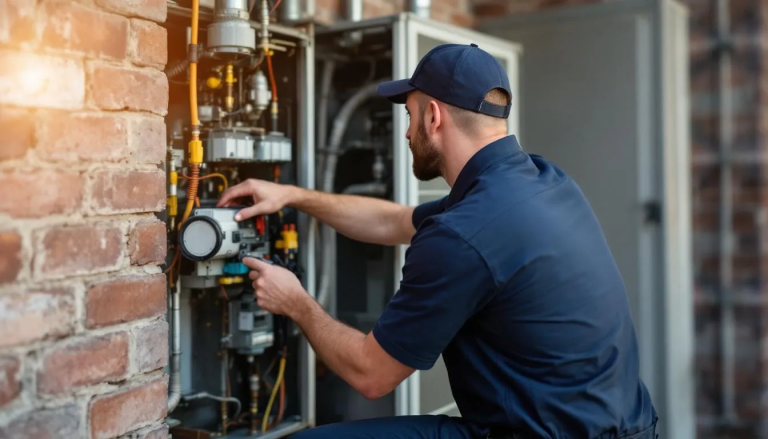
Most homeowner-accessible repairs involve electrical components that cost $25-$75 and require basic tools. Capacitors store electrical energy to start motors, contactors act as electrical switches, and fuses protect circuits from overload. These components frequently fail and can be safely replaced with proper safety procedures.
This connects to repair fundamentals because electrical component failures account for up to 60% of AC service calls, yet most involve simple part swaps that don’t require refrigerant handling or system rewiring.
Professional-Only Repairs
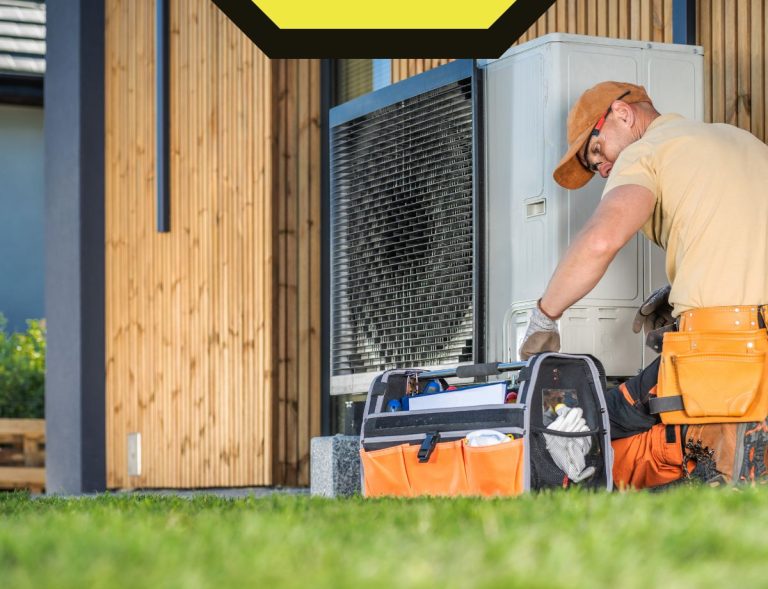
Complex repairs requiring HVAC certification include refrigerant work, compressor replacement, and electrical rewiring. EPA regulations mandate that only certified technicians handle refrigerant due to environmental hazards, while compressor work involves high-pressure systems and specialized equipment. Call R&C Heating and Cooling Service and book your appointment
Building on DIY knowledge, understanding these limitations prevents safety hazards, environmental violations, and warranty voidance that can occur with unauthorized repairs.
Transition: Recognizing repair complexity helps identify the most common failures that homeowners can address safely and cost-effectively.
Most Common Air Conditioner Repair Issues
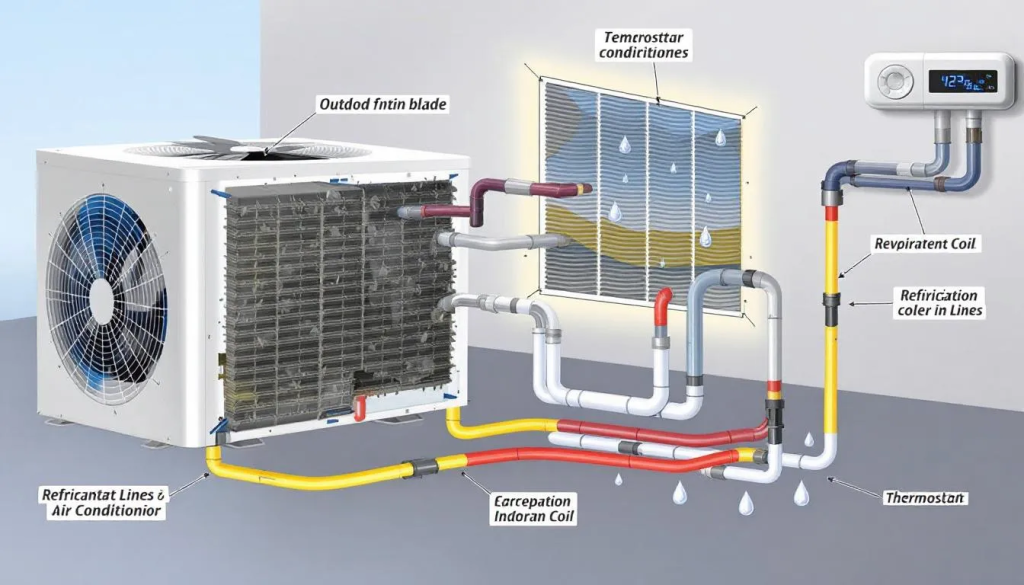
Industry data shows that 80% of AC service calls stem from insufficient maintenance, with electrical component failures and airflow problems representing the most frequent repair scenarios.
Electrical Component Failures
Capacitor failure presents as AC units that won’t start or make humming sounds without the outdoor unit running. Start capacitors ($25-$40) provide initial motor energy, while run capacitors ($30-$50) maintain motor operation. AC contactors ($35-$60) control power flow and commonly develop burnt contacts or coil failures after 5-7 years of operation.
Technical terms defined: Start capacitors boost motor startup torque, run capacitors maintain efficient motor operation, and contactors are heavy-duty electrical switches controlling compressor and fan motor circuits.
Airflow and Cooling Problems
Dirty air filters restrict airflow and reduce cooling efficiency by up to 30%, while blocked evaporator coils prevent proper heat absorption. Fan motor failures in the air handler or outdoor unit stop air circulation, causing inadequate cooling and potential compressor damage from overheating.
Unlike electrical failures that cause immediate shutdown, airflow issues develop gradually through reduced cooling performance, longer run times, and higher electricity costs before complete system failure.
Refrigerant and Compressor Issues
Professional-only repairs include refrigerant leaks requiring EPA-certified recovery and recharge procedures, plus compressor failures that can cost $1,200-$2,000 in parts and labor. Low refrigerant causes evaporator coil freezing and inadequate cooling, while compressor failure typically signals complete system replacement for units over 10 years old.
Key Points:
Electrical component repairs: $100-$400 typical cost range, 1-2 hour completion time
Airflow problems: Often preventable with regular maintenance, $50-$300 typical costs
Professional repairs: $400-$2,000+ range, often indicate replacement consideration for older units
Transition: Understanding these common issues enables targeted troubleshooting and appropriate repair procedures.
Step-by-Step AC Repair Procedures
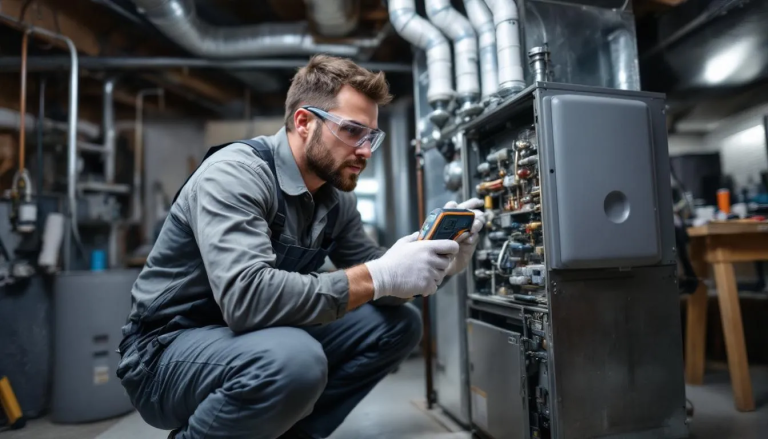
Safety preparation involves complete power shutdown at both the thermostat and electrical disconnect, plus voltage testing to confirm zero electrical energy before component access.
Step-by-Step: Safety Shutdown and Capacitor Replacement

When to use this: For central air conditioners that won’t start, make humming sounds, or have outdoor units that fail to operate while the air handler runs.
Power Shutdown: Turn off thermostat, flip circuit breaker, and pull electrical disconnect at outdoor unit to eliminate all power sources.
Voltage Testing: Use non-contact voltage tester on all wires and terminals inside electrical panel before touching any components.
Capacitor Discharge: Short capacitor terminals with insulated screwdriver to discharge stored electricity, then photograph wire connections before removal.
Replacement Installation: Match microfarad rating and voltage exactly, reconnect wires to identical terminals, and restore power after securing electrical panel cover.
Comparison: DIY Repair vs Professional Service
DIY repairs work best for simple component failures with clear symptoms, while professional service ensures proper diagnosis for complex problems and provides comprehensive system evaluation during repair visits.
Transition: Even successful DIY repairs can present challenges that require additional ac troubleshooting knowledge.
Common Air Conditioner Repair Challenges and Solutions
Understanding typical post-repair issues helps complete successful repairs and avoid unnecessary service calls during peak cooling season.
Challenge 1: AC Won’t Turn On After Repair
Solution: Check built-in time delays (up to 10 minutes) and verify all power connections before assuming repair failure.
Modern central air conditioners include protective time delays preventing immediate restart after power restoration, while loose wire connections cause intermittent operation that mimics component failure.
Challenge 2: Repair Costs Exceeding $500
Solution: Apply the $5,000 rule (unit age × repair cost) to evaluate replacement vs repair economics.
For ac units over 10 years old requiring major component replacement, total repair costs often approach new system pricing while providing only temporary reliability improvements.
Challenge 3: Repeated Failures of Same Component
Solution: Address underlying electrical issues or system imbalances causing premature component failures.
Voltage fluctuations, improper refrigerant charge, or oversized equipment can cause rapid capacitor failure, indicating need for professional system diagnosis beyond simple component replacement.
Transition: Successful repair outcomes depend on proper assessment and realistic expectations about DIY capabilities.
Conclusion and Next Steps
Air conditioner repairs offer significant cost savings when homeowners understand the distinction between simple electrical component replacements and complex system work requiring professional certification, enabling informed decisions that balance safety with economy.
To get started:
Assess current AC problems using visual inspection and basic operational testing
Gather essential safety equipment including voltage tester and basic electrical tools
Identify repair complexity level to determine DIY feasibility vs professional service requirements
Related Topics: Regular maintenance schedules can prevent 95% of common failures, while understanding ac replacement timing helps optimize repair investments for maximum system life and efficiency.
Additional Resources
Essential Tools: Non-contact voltage tester ($15-25), insulated screwdriver set ($20-30), multimeter for capacitor testing ($25-40)
Component Identification: Capacitors display microfarad and voltage ratings on metal casing, while contactors show amp ratings and coil voltage requirements for proper replacement matching
Professional Service: ACCA (Air Conditioning Contractors of America) contractor locator provides certified technician referrals for complex repairs requiring refrigerant work or electrical system diagnosis