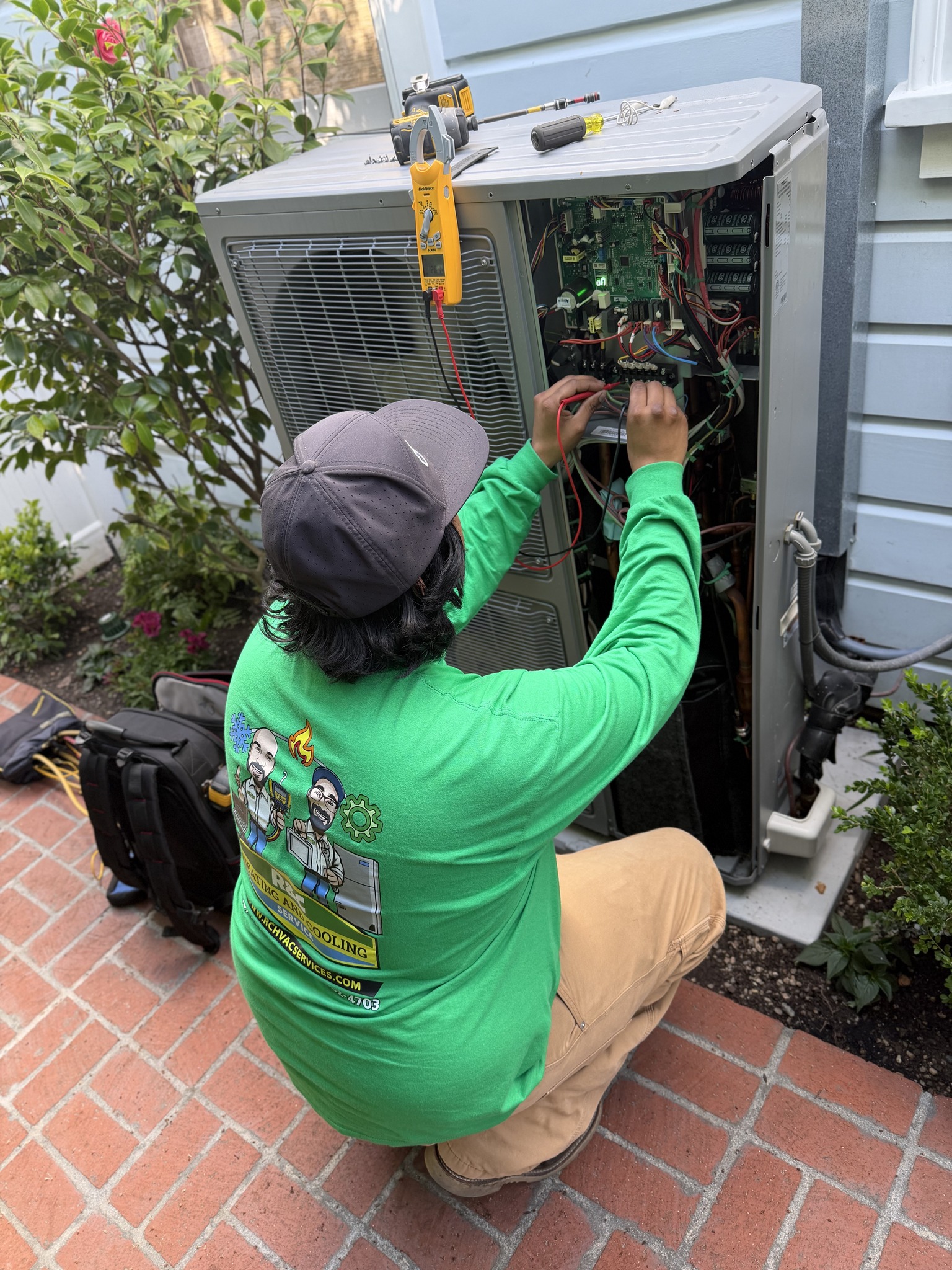
5 Common HVAC Emergencies in Santa Monica (and How to Solve Them Fast)
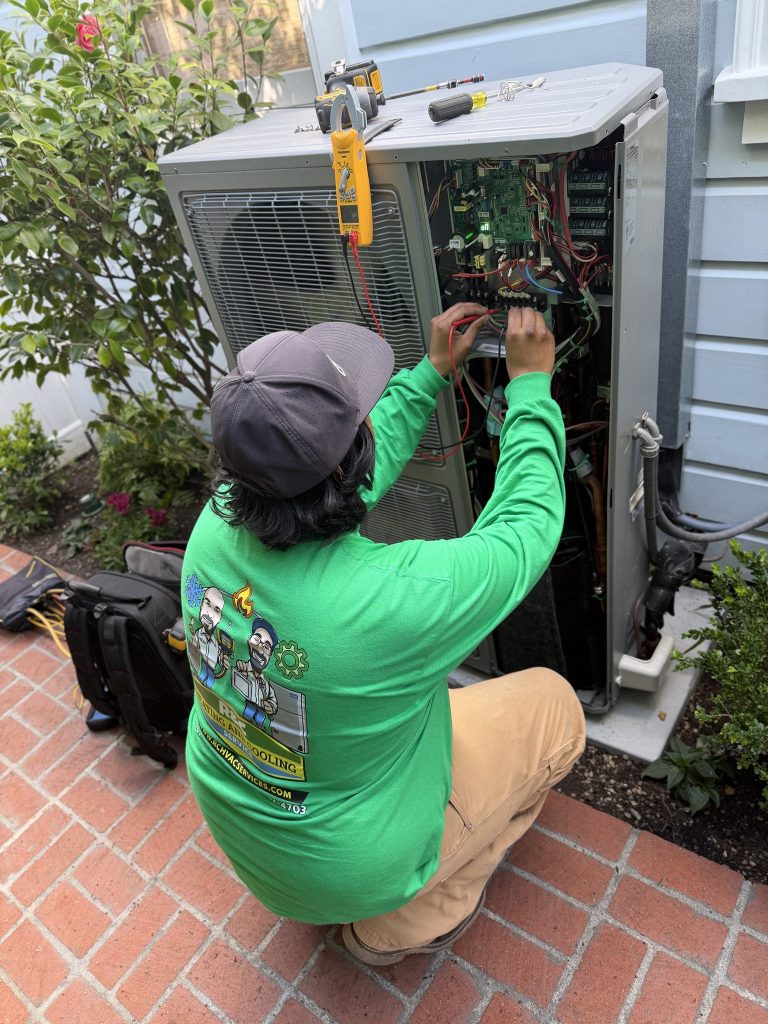
Living in Santa Monica means enjoying the ocean breeze and coastal lifestyle, but when the Southern California heat spikes above 90°F or an unexpected cold snap hits, a broken HVAC system becomes more than an inconvenience—it’s a genuine emergency that affects your family’s comfort and safety.
After 15+ years serving homes from Ocean Park to North of Montana, our team at R&C Heating and Cooling Service has responded to thousands of emergency calls. We’ve learned that most HVAC crises fall into five predictable categories, and understanding them can help you respond quickly and avoid costly damage.
Here’s what we see most often in Santa Monica homes, why these emergencies happen in our unique coastal climate, and exactly what you should do when they occur.
1. The System Won’t Turn On During a Heatwave
Last September, during a brutal 95-degree heatwave, we responded to 43 emergency calls in just 48 hours from families whose air conditioning systems simply refused to start. There’s nothing worse than watching your thermostat climb while your AC sits silent, especially when you have young children or elderly family members at home.
Why This Happens in Santa Monica
According to the California Energy Commission, sudden system failures spike 65% during extreme weather events when your HVAC is working overtime. In Santa Monica, our coastal humidity combined with salt air creates additional strain on electrical components. The most common culprits we diagnose are:
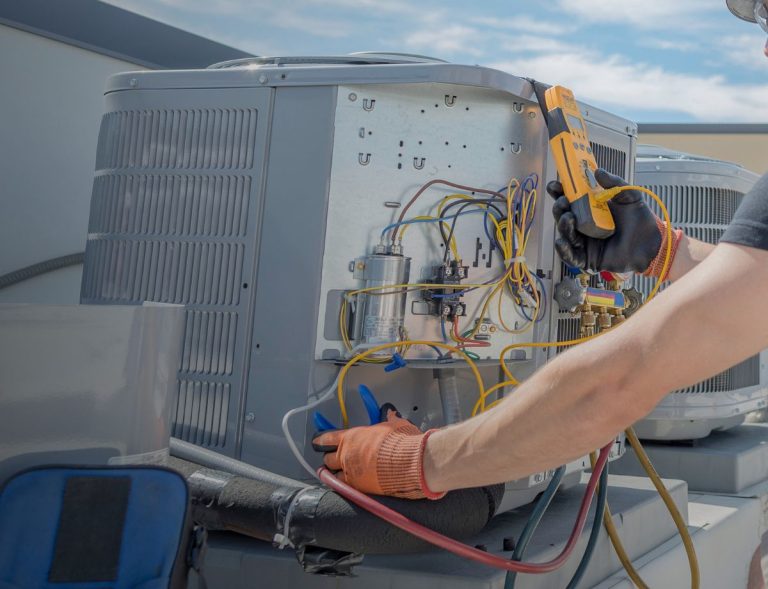
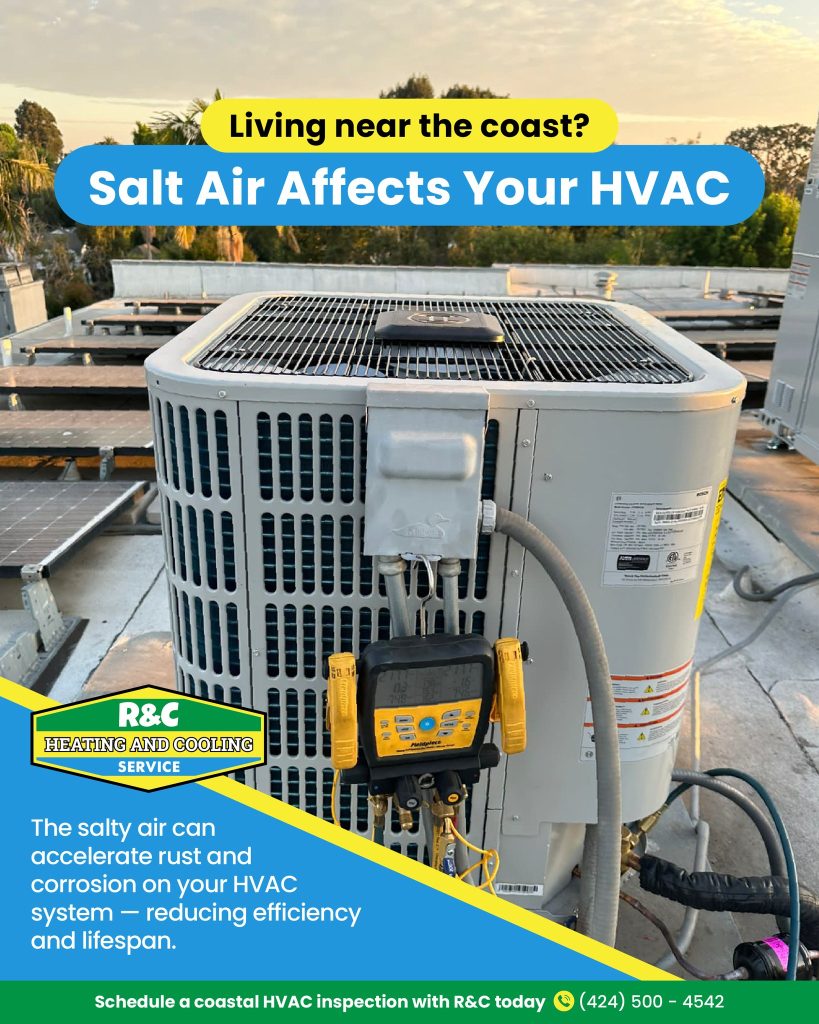
- Failed capacitors: These small cylindrical components store electrical energy to start your compressor and fan motors. Salt air corrosion accelerates capacitor failure in homes within two miles of the beach. We see this in 40% of our no-start emergency calls.
- Tripped circuit breakers: When your system draws too much current due to dirty coils or failing components, the breaker protects your home by shutting off power.
- Thermostat failures: Dead batteries, loose wiring, or malfunctioning digital controls can prevent your system from receiving the signal to start cooling.
- Contractor issues: This relay switch controls power to your compressor. When it fails (often from repeated cycling during hot weather), your outdoor unit won’t engage.
What You Should Do Immediately
Step 1: Locate your electrical panel, typically found in your garage, utility closet, or exterior wall. Look for any breakers labeled “AC,” “HVAC,” or “Air Conditioner.” If a breaker is in the middle position (tripped), flip it fully to the OFF position, wait 30 seconds, then flip it back to ON.
Step 2: Check your thermostat. Remove the faceplate and replace batteries if you have a battery-powered model (most use two AA batteries). For hardwired thermostats, verify the display is lit and set to “Cool” mode with the temperature at least 5 degrees below current room temperature.
Step 3: Wait five minutes before attempting to restart. Modern HVAC systems have built-in safety timers that prevent immediate restart after power interruption. This protects the compressor from damage.
If these steps don’t work: The issue likely involves a failed capacitor ($150-$300 to replace), bad contactor ($125-$250), or more complex electrical problem. Our EPA-certified technicians carry these common parts on every service vehicle, allowing us to complete most repairs the same day.
⚠️ Safety Warning: Never attempt to access electrical components inside your outdoor or indoor units. High voltage remains present even when the system appears off. Always call licensed professionals for internal repairs.
2. Strange Loud Noises (Grinding, Squealing, or Banging)
We received a panicked call last summer from a homeowner in the Wilshire Montana neighborhood whose AC suddenly started making a grinding noise “like metal on metal.” When we arrived within 90 minutes, we found the compressor bearings had seized—a $2,400 repair that would have been just $800 if caught during the squealing phase two weeks earlier.
Decoding Your HVAC’s Warning Sounds
Different noises indicate specific mechanical failures. Here’s what we’ve learned from diagnosing thousands of systems:
High-pitched squealing (3,000+ RPM frequency): Usually indicates a worn blower motor belt or seized pulley bearing. In Santa Monica’s salt air environment, we see accelerated belt deterioration, especially in outdoor units. This typically costs $120-$300 to repair if addressed quickly.
Grinding or metal-on-metal sounds: These signal failed motor bearings in your blower or compressor. This is urgent—continued operation can destroy the motor completely. Blower motor replacement runs $400-$900, while compressor replacement ranges from $1,800-$3,500 depending on your system size and refrigerant type.
Banging or clanking at startup: Often caused by loose mounting hardware, a failing compressor mount, or debris in the blower assembly. We’ve found everything from children’s toys to rodent nests inside outdoor units near Santa Monica’s greenbelt areas.
Rattling during operation: May indicate loose panels, failing fan blades, or a compressor struggling to start due to electrical issues.
Your Immediate Action Plan
Turn off your system immediately when you hear grinding or banging noises. Continued operation can transform a $300 repair into a $3,000 replacement. Switch your thermostat to OFF—not just a higher temperature setting.
Document the sound: Use your smartphone to record a video with audio. This helps our technicians prepare the right parts before arrival, reducing your without-service time.
Note when the sound occurs: Does it happen at startup, during operation, or shutdown? This diagnostic detail speeds our repair process significantly.
Our NATE-certified technicians use vibration analysis tools and acoustic testing to pinpoint the exact failing component, ensuring you only pay for necessary repairs.
3. Refrigerant Leaks and Iced-Over Coils
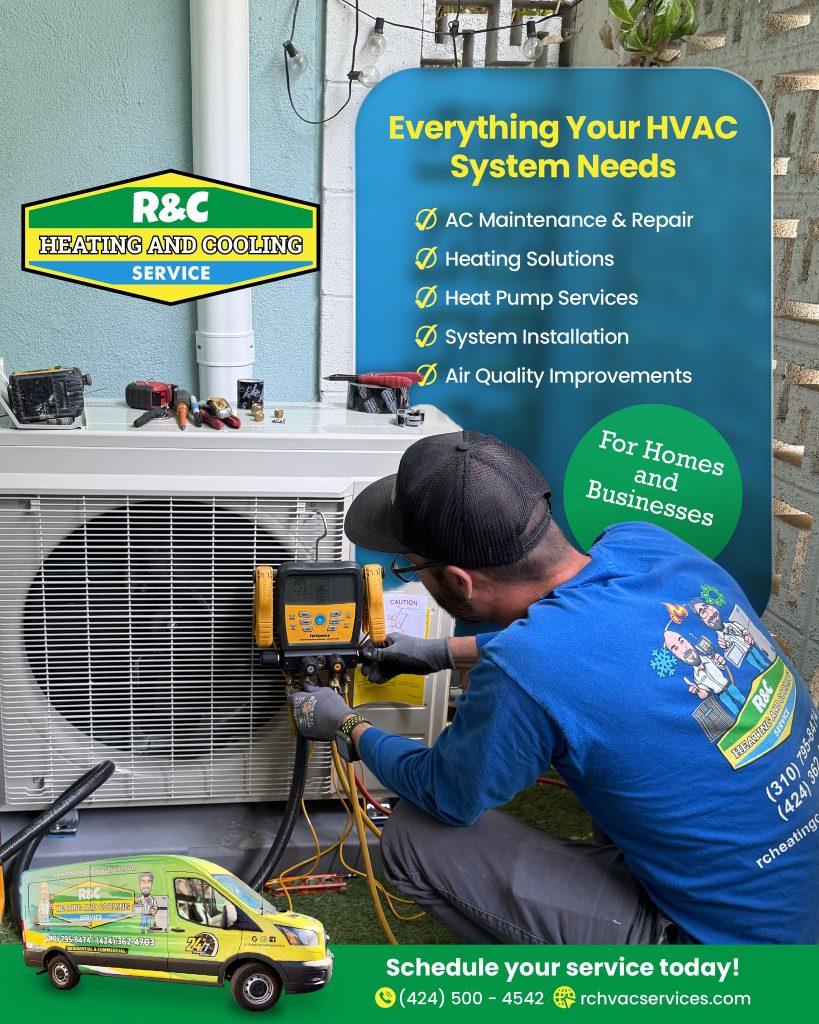
Picture this: It’s 85 degrees outside, the Santa Monica sun is blazing, but your outdoor unit looks like a winter wonderland with ice coating the copper lines and coils. This counterintuitive problem affects roughly 30% of our emergency calls during summer months.
Why Ice Forms in Hot Weather
Your air conditioning system works by absorbing heat from your indoor air using refrigerant that circulates through copper coils. When this process is disrupted, the coils drop below freezing even when outdoor temperatures soar. Two primary causes dominate in Santa Monica:
Low refrigerant levels: Refrigerant doesn’t “get used up” like gasoline—it circulates in a closed loop. If levels are low, you have a leak. According to the EPA’s Section 608 regulations, refrigerant leaks must be repaired before recharging the system. In coastal environments, salt air corrodes copper connections and coil joints, creating pinhole leaks. We see this especially in systems over eight years old located within a mile of the ocean.
Restricted airflow: Dirty air filters, blocked return vents, or dust-clogged evaporator coils prevent warm air from flowing over the cold coils. The coils become too cold, and moisture in the air freezes on contact. In Santa Monica, we recommend MERV 8 or higher filters changed monthly due to coastal moisture and urban dust.
What to Do When You See Ice
Step 1: Switch your thermostat from “Cool” to “Off,” but leave the fan set to “On” (not “Auto”). This circulates warm air over the coils to melt the ice naturally. This process typically takes 2-4 hours.
Step 2: Check your air filter immediately. If it’s gray, clogged with dust, or hasn’t been changed in over 30 days, replace it. Filters cost $5-$15 but prevent $500+ in coil cleaning or system repairs.
Step 3: Inspect all supply and return vents in your home. Ensure no furniture, curtains, or storage boxes are blocking airflow. We’ve found that 15% of “system failures” are actually just blocked vents.
❌ Never do this: Don’t chip, scrape, or try to speed ice melting with heat guns or hot water. Copper coils and aluminum fins are delicate—physical damage requires expensive coil replacement ($800-$2,000) and you could puncture refrigerant lines.
If ice returns after melting: You likely have a refrigerant leak or a more serious airflow restriction requiring professional diagnosis. Our technicians use electronic leak detectors and pressure testing to locate even tiny leaks invisible to the naked eye. Refrigerant recharge with R-410A (the current standard) costs $350-$800 depending on the amount needed, plus leak repair costs.
4. Burning Smells or Electrical Odors
This is the emergency that should never be ignored. Last winter, we responded to a call about a “slight burning smell” from vents in a home near Santa Monica College. We discovered severely overheated wiring in the air handler that was within hours of causing an electrical fire. The homeowner’s quick response potentially saved their home.
Understanding Different Burning Smells
Not all burning smells are equally urgent, but all require professional attention:
Burning dust smell (musty, slightly acrid): When you first turn on your heating system after months of non-use, dust that accumulated on heat exchangers burns off. This is normal and should dissipate within 20-30 minutes. If it persists beyond an hour, shut down and call for HEATING REPAIR Santa Monica service.
Burning plastic or rubber smell: This indicates overheating electrical components, melting wire insulation, or a blower motor running too hot. This is serious—electrical fires can develop rapidly. Immediate action required.
Burning oil or gunpowder smell: Suggests a failing motor, overheated circuit board, or electrical short. These components operate at temperatures exceeding 200°F and can ignite surrounding materials.
Chemical or formaldehyde smell: May indicate overheated heat exchanger in gas furnaces or failing ductwork insulation. With gas systems, this could signal dangerous combustion issues.
Your Safety-First Response Protocol
For any electrical or plastic burning smell:
- Immediately switch off your HVAC system at the thermostat
- Go to your main electrical panel and switch off the dedicated HVAC breaker (usually 220V, labeled “AC” or “HVAC”)
- If you see smoke or flames, evacuate immediately and call 911 before calling us
- Open windows to ventilate the area
- Call our 24/7 emergency line for same-day service
⚠️ Critical Safety Warning: If you have a gas furnace and smell gas, suspect carbon monoxide exposure (symptoms include headache, dizziness, nausea), or your CO detector alarms, evacuate your home immediately and call 911. Never investigate gas smells yourself—this is life-threatening.
According to the Santa Monica Fire Department, electrical fires from HVAC systems account for 7% of residential fires in the area. Quick response and professional repair prevent these tragedies.
5. Water Leaking Indoors
Santa Monica’s coastal humidity means your air conditioner removes 15-30 gallons of moisture from your indoor air every day during summer. That water must drain away properly through condensate lines—but when those lines clog, you can wake up to water pooling around your indoor unit, staining ceilings below, or damaging flooring.
We’ve seen water damage claims ranging from $500 for drywall repairs to $12,000+ for extensive mold remediation when leaks went undetected in attics for weeks. According to insurance data, water damage from HVAC condensate issues averages $2,700 in California.
Why Condensate Drains Clog in Coastal Climates
Your AC’s condensate drain is a PVC pipe typically ¾-inch in diameter that carries water from your indoor unit to outside your home or into a floor drain. These lines clog from:
- Algae and biological growth: Santa Monica’s humid coastal air creates perfect conditions for algae and mold to grow inside dark, moist drain lines. This is the cause of 70% of clogged drains we service.
- Dust and debris: Particles from your home’s air collect in the condensate pan and get washed into the drain line, gradually building up restrictions.
- Insect nests: We’ve found wasps, ants, and other insects building nests in outdoor drain terminations, blocking water flow.
Identifying and Responding to Drain Issues
Locate your float switch: This safety device is a small white or gray plastic box attached to the PVC drain pipe near your indoor air handler (usually in a closet, attic, or garage). When water backs up due to a clog, the float switch rises and cuts power to your system to prevent overflow. If you see a red light illuminated on this device or a small lever in the raised position, your drain is clogged.
Check the condensate pan: With your system off, locate the metal or plastic pan beneath your indoor coil. If water is standing in this pan and not draining, the line is blocked.
Emergency temporary measures:
- Place towels and a bucket under any active drips to protect flooring and belongings
- If the float switch has tripped, you can carefully use a wet/dry vacuum to remove standing water from the pan, allowing you to reset the switch temporarily
- Take photos of any water damage for insurance documentation
Professional drain clearing: Our technicians use specialized drain pumps and brushes to thoroughly clear blockages and flush lines with biocide treatment that prevents algae regrowth for 6-12 months. This service costs $150-$300 and typically takes 30-45 minutes.
Prevention is key: Quarterly drain maintenance (we recommend it with seasonal tune-ups) prevents 95% of overflow emergencies. For Santa Monica homes, we flush lines twice yearly as part of our maintenance membership program.
Why Santa Monica Homeowners Trust R&C Heating and Cooling Service
When your HVAC system fails, you don’t have time to wait days for a callback or deal with companies that provide vague estimates over the phone. Our commitment to Santa Monica families is built on transparency, expertise, and genuine care for your comfort and safety.
Our Credentials and Experience
Our team holds NATE (North American Technician Excellence) certifications and EPA Section 608 certification for refrigerant handling—the highest industry standards for HVAC technical competence. We’re licensed, bonded, and insured in California, and we’ve specialized in coastal HVAC systems since 2008.
We understand the unique challenges Santa Monica’s climate creates—salt air corrosion, high humidity, temperature variations between inland and coastal zones, and the specific demands of homes ranging from historic beach bungalows to modern Wilshire condominiums.
Transparent Emergency Pricing You Can Trust
We believe surprise charges and hidden fees erode trust. Here’s exactly what emergency service costs:
Commercial & Residential Diagnostic Fee: $250
This covers dispatch, travel, system diagnosis, and a written estimate for any needed repairs. Our technicians arrive in fully-stocked service vehicles, typically within 2-3 hours of your call (often faster during daytime hours).
The Best Part: When you approve repairs the same day, we waive the $250 diagnostic fee entirely, applying that value directly toward your repair cost. However, we never pressure same-day decisions. If you need time to get competitive quotes or consult with family, take it—we’ll still provide you with a detailed written estimate.
Our Quality Guarantee: All repairs include a 1-year parts and labor warranty, extended to 2 years for our Maintenance Members. If something goes wrong with our repair, we fix it at no charge.
What Emergency Repairs Actually Cost
Based on our 2024 service data for Santa Monica homes:
- Thermostat replacement: $150-$350
- Capacitor replacement: $150-$300
- Contactor replacement: $125-$250
- Refrigerant recharge (R-410A): $350-$800
- Condensate drain clearing: $150-$300
- Blower motor replacement: $400-$900
- Compressor replacement: $1,800-$3,500
Costs vary based on system brand, accessibility, parts availability, and whether service occurs during regular hours (Monday-Friday, 8am-6pm) or after-hours/weekends (typically 20-30% higher for emergency dispatch).
We accept all major credit cards and offer financing options through for repairs over $500, with approved credit.
Preventing Future HVAC Emergencies
The best emergency is the one that never happens. After 15+ years serving Santa Monica, we’ve identified specific maintenance practices that dramatically reduce emergency calls:
Monthly DIY Tasks (5-10 minutes)
- Change air filters: Use MERV 8 or higher rated filters. In coastal Santa Monica, humidity carries more airborne particles, clogging filters faster. Budget $5-$15 per filter monthly.
- Check thermostat batteries: Replace annually, or when you see a low-battery indicator.
- Clear outdoor unit perimeter: Maintain 2-3 feet of clearance around your outdoor condenser. Remove leaves, trim bushes, and rinse off any accumulated salt residue with a garden hose (gentle spray only).
Quarterly Professional Maintenance
We recommend professional inspection and maintenance twice yearly—before summer cooling season (April-May) and before winter heating season (October-November). This is especially critical in Santa Monica where salt air accelerates component wear.
Professional maintenance includes:
- Refrigerant pressure testing and level verification
- Electrical connection tightening and voltage testing
- Condensate drain flushing and biocide treatment
- Coil cleaning (both indoor and outdoor)
- Blower assembly cleaning and lubrication
- Thermostat calibration
- Safety control testing
Our Maintenance Membership ($199/year) includes both seasonal tune-ups plus priority emergency service, extended warranties, and 15% discount on all repairs. Members average 65% fewer emergency calls than non-members.
When to Consider System Replacement vs. Repair
Not every breakdown warrants repair. Use the $5,000 rule: Multiply the repair cost by your system’s age in years. If the result exceeds $5,000, replacement is typically more cost-effective.
Example: Your 11-year-old system needs an $800 compressor repair. Calculation: $800 × 11 years = $8,800. This exceeds $5,000, suggesting replacement may be wiser.
Additionally, consider replacement if:
- Your system is over 12 years old (average lifespan in Santa Monica’s salt air: 12-15 years)
- You’re using R-22 refrigerant (obsolete as of 2020, extremely expensive to recharge)
- Your energy bills have increased 25%+ despite similar usage
- You’re experiencing frequent repairs (3+ service calls in 12 months)
Modern high-efficiency systems offer 40-60% better energy efficiency and often qualify for utility rebates through Southern California Gas Company or SCE, offsetting replacement costs. We provide honest guidance about repair vs. replacement—even when it means a smaller sale for us—because we value long-term relationships with Santa Monica families over short-term profit.
Staying Comfortable During HVAC Emergencies
While waiting for our technicians to arrive (average response time: 2 hours during daytime, 3-4 hours after midnight), here’s how to stay safe and comfortable:
During Cooling Emergencies
- Close blinds and curtains on sun-facing windows to reduce heat gain
- Use ceiling fans or portable fans to circulate air (fans cool people, not rooms, so turn them off in unoccupied spaces)
- Move to the lowest floor of your home—heat rises, so ground floors stay cooler
- Stay hydrated and avoid strenuous activity during peak heat
- Check on elderly neighbors or family members—heat emergencies pose serious health risks for seniors
- Consider temporary relocation to public spaces: Santa Monica Public Library, Third Street Promenade, or shopping centers all offer air-conditioned refuge
During Heating Emergencies
- Dress in layers and use blankets to maintain body temperature
- Close off unused rooms and focus heating efforts (space heaters if safely used) in occupied spaces
- Use portable electric space heaters safely: never leave unattended, maintain 3-foot clearance, plug directly into outlets (never extension cords)
- Seal drafts with towels along door bottoms and window edges
- Keep cabinet doors under sinks open to prevent pipe freezing
- Let faucets drip slightly if temperatures drop below 32°F—moving water doesn’t freeze as easily
Keep our 24/7 emergency number saved: (310) 893-1871
Common Questions About HVAC Emergencies
Can I run my heater if my air conditioning isn’t working?
Yes, in most cases. Your heating and cooling systems share the same air handler and ductwork, but they have separate components for heat generation. If your AC compressor fails, your furnace typically still functions normally. However, electrical issues or blower motor problems affect both systems.
Will my homeowner’s insurance cover HVAC emergencies?
Coverage depends on the cause. Sudden mechanical failures are typically not covered, as insurance considers this normal wear and tear. However, if your HVAC fails due to a covered peril (lightning strike, fire, wind damage), repairs may be covered. Water damage caused by clogged condensate drains is often covered, though insurers may deny claims if poor maintenance contributed. Always document damage with photos and contact your insurance agent promptly.
What qualifies as an HVAC emergency versus a routine repair?
True emergencies involve safety hazards or situations causing significant discomfort:
- Immediate emergencies: Burning smells, electrical odors, gas smells, carbon monoxide concerns, smoke, sparks
- Urgent same-day: Complete system failure during extreme weather (95°F+ or below 45°F), strange noises, refrigerant leaks, major water leaks
- Important within 24-48 hours: Reduced cooling/heating efficiency, minor leaks, unusual cycling, ice formation
- Routine service: Scheduled maintenance, filter changes, thermostat upgrades, efficiency concerns
Do you service all HVAC brands?
Yes. Our technicians are factory-trained and experienced with all major brands including Carrier, Trane, Lennox, Rheem, Goodman, American Standard, York, Bryant, Payne, and more. We maintain relationships with parts suppliers throughout Los Angeles County, ensuring we can source components quickly even for older or discontinued systems.
Get Help Now—We’re Here 24/7
HVAC emergencies don’t wait for convenient business hours, and neither do we. Our certified technicians are ready to respond to your Santa Monica heating and cooling crisis any time, day or night, weekends and holidays included.
Whether you need immediate Heating Installation after complete system failure, emergency repairs, or simply want peace of mind with a second opinion, we’re here to help.
Don’t sweat the heat or shiver through the cold. Book Appointment online for same-day service, or call our emergency line now: (310) 893-1871
Serving all Santa Monica neighborhoods including Ocean Park, Wilshire Montana, North of Montana, Mid-City, Sunset Park, and Pico. Licensed, bonded, insured, and ready to restore your comfort.
For more information about our comprehensive heating and cooling services, visit https://www.rchvacservices.com/ or visit our Santa Monica office at 2666 34th St, Santa Monica, CA 90405