AC Installation Marina del Rey CA | Santa Monica HVAC
AC Installation in Marina del Rey, CA: What Coastal Homeowners Need to Know in 2025
The average cost of AC installation in Marina del Rey and Santa Monica runs between $4,500 and $16,000 depending on system type, ductwork condition, and coastal-specific requirements. Ductless mini-splits start around $3,200, central systems with existing ducts range from $4,500 to $9,500, and high-efficiency heat pump systems can reach $16,000 or more. Permits through the City of Santa Monica, Title 24 compliance, and HERS testing are required for most installations.
Marina del Rey is one of the most distinctive HVAC markets in Southern California. The combination of $1.5 million condos, HOA-governed buildings, aging duct systems, salt-laden ocean air, and California’s increasingly strict energy codes creates a set of installation challenges that generic HVAC contractors routinely underestimate. If you are planning to install or replace an air conditioning system in Marina del Rey or the surrounding Santa Monica area, this guide covers everything you actually need to know before you sign a contract.
For a full breakdown of local pricing by system type, see How much does AC installation cost in Santa Monica CA.
Why Marina del Rey AC Installation Is Different From a Standard LA Job
Most homeowners assume that installing air conditioning near the coast is the same as any other Los Angeles job. It is not. Three factors make the Marina del Rey and Santa Monica market genuinely distinct: the marine climate, the built environment, and the regulatory jurisdiction.
The Marine Layer and Salt Air Problem
Santa Monica experiences a warm-summer Mediterranean climate where September is actually the warmest month, not July or August. The city averages just one day per year when temperatures reach 90 degrees Fahrenheit or above. On paper, that sounds like AC is barely necessary. In practice, the marine layer changes everything.
The marine layer is a cool, moist air mass that forms over the Pacific and moves inland during spring and summer mornings, pushing humidity levels to 85 percent or higher before it burns off. That humidity creates real discomfort, drives mold risk in poorly ventilated spaces, and puts sustained stress on mechanical systems. When Santa Ana winds reverse the pattern and push hot desert air toward the coast, temperatures can spike dramatically within hours, and an undersized or degraded system fails immediately.
Beyond humidity, salt air is the silent equipment killer on the Westside. According to the U.S. Department of Energy, coastal environments accelerate corrosion on outdoor condenser coils, electrical contacts, and refrigerant line connections. In Santa Monica and Marina del Rey, this can cut a unit’s functional lifespan from the standard 15 years down to 10 or fewer if the wrong equipment is specified. The correct solution involves specifying units with Gold Fin or epoxy-coated coils designed for coastal exposure, and it is something every homeowner within a mile of the water should ask about explicitly.
The Building Stock: Condos, Bungalows, and No Ductwork
Marina del Rey is overwhelmingly a condo market. Most units average 800 to 1,200 square feet, were built without central ductwork, and are governed by HOA rules that restrict exterior modifications. Many older Santa Monica bungalows face the same issue: no existing duct infrastructure, aging electrical panels that cannot support a new dedicated circuit without an upgrade, and small footprints where equipment placement requires creative planning.
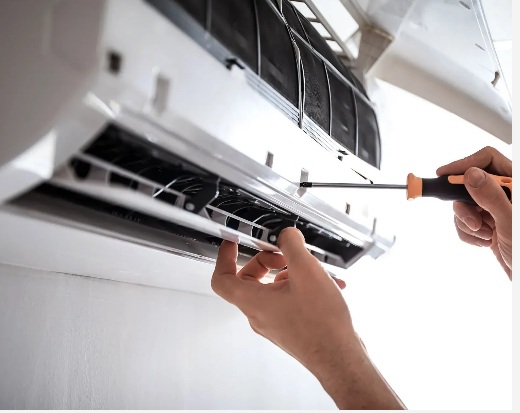
In this environment, ductless mini-split systems are frequently the most practical and cost-effective solution. A single-zone ductless mini-split installs with a small penetration through an exterior wall, requires no new ductwork, and delivers room-by-room temperature control. Multi-zone systems can cover an entire condo or bungalow with multiple indoor heads connected to one outdoor condenser. For HOA buildings, the outdoor unit footprint is smaller and less visually disruptive than a traditional central air condenser, which matters when getting HOA approval for installation.
How Much Does AC Installation Cost in Marina del Rey and Santa Monica?
Cost is the first question most homeowners ask, and the honest answer is that the range is wide because the variables are significant. Based on data from completed projects in the Santa Monica area, here is a realistic breakdown by system type.
| System Type | Typical Cost Range | Best For |
|---|---|---|
| Window or wall unit (DIY/basic) | $250 to $700 | Single rooms, rentals, temporary solutions |
| Ductless mini-split (single zone) | $3,200 to $5,500 | Condos, rooms without ducts, additions, ADUs |
| Ductless mini-split (multi-zone) | $6,000 to $10,500 | Full condo or small home without ductwork |
| Central AC replacement (existing ducts) | $4,500 to $9,500 | Homes with functional existing ductwork |
| Central AC with new ductwork | $8,000 to $16,500 | Homes requiring full duct installation |
| High-efficiency heat pump system (18+ SEER2) | $8,000 to $16,000 | Maximum efficiency, rebate eligibility, future-proofing |
The Santa Monica-specific average for completed AC projects sits between $2,790 and $3,196 for mid-tier installations, with more complex projects averaging around $7,403 according to HomeAdvisor data. West Coast labor rates add a 15 to 25 percent premium over national averages. Angi reports a national average of $5,958 for AC installation in 2025, which serves as a useful baseline before applying the regional cost adjustment for Los Angeles County.
Key cost components on any Marina del Rey or Santa Monica project include the outdoor condenser unit ($1,200 to $3,500), indoor air handler or coil ($800 to $2,000), refrigerant lines ($300 to $600), electrical work including panel assessment ($300 to $700), labor ($1,500 to $3,000), and permits ($100 to $400).
Do You Need a Permit to Install AC in Santa Monica?
Yes, and this is one of the most important distinctions to understand before hiring any contractor. Santa Monica operates its own building and safety department, separate from the Los Angeles Department of Building and Safety (LADBS). Any work permitted under LADBS rules or assumptions does not apply within Santa Monica city limits.
For most AC installations in Santa Monica, you will need a mechanical permit for new or replacement HVAC equipment, an electrical permit if a new dedicated 208/230V circuit is required, and Title 24 energy compliance documentation. Projects involving ductwork changes typically also require HERS (Home Energy Rating System) testing to verify duct leakage and proper refrigerant charge after installation.
Effective January 1, 2026, the 2025 California Building Energy Efficiency Standards take effect, expanding heat pump requirements and tightening ventilation standards for both residential and commercial properties. As of mid-2026, systems must meet or exceed a SEER2 rating of 15.0 and an HSPF2 rating of 7.8. If a contractor tells you that no permit is needed for a scope that clearly requires one, the liability for warranty issues, resale disclosure problems, and code compliance falls entirely on you as the homeowner. Pull the permit.
What SEER Rating Do You Need in California in 2025 and 2026?
California has led the country in phasing out lower-efficiency equipment. The current federal minimum for split-system central air conditioners in the Southwest region is a SEER2 rating of 15.0. California’s own Title 24 energy code, updated for the 2025 standards cycle, aligns with and in some cases exceeds federal minimums depending on system configuration and home type.
For most Marina del Rey and Santa Monica homeowners replacing an existing system, this means the low-end units from five or ten years ago are no longer code-compliant at point of installation. This is not a disadvantage: higher-efficiency equipment uses meaningfully less electricity, qualifies for rebate programs, and performs better under the variable conditions created by marine layer humidity and Santa Ana heat events.
What Rebates Are Available for AC Installation in Southern California?
Southern California Edison’s TECH Clean California program currently offers $1,000 incentives for qualifying heat pump HVAC system installations in single-family homes, with up to two systems per home eligible for a combined $2,000 incentive. These rebates are available regardless of income and apply to systems that meet the program’s efficiency and installation requirements.
Stacking rebates requires coordination. A licensed contractor must confirm that the equipment model is listed on the TECH Clean California approved product list, that the installation is performed to program standards, and that documentation is submitted correctly. SCE’s TECH Clean California program details and eligible equipment lists are available directly through Southern California Edison. Some homeowners also qualify for additional federal tax credits under the Inflation Reduction Act for heat pump installations, which can add another $600 to $2,000 in federal tax benefit depending on the project scope.
Is a Heat Pump Better Than Central AC for Marina del Rey’s Climate?
For most Marina del Rey and Santa Monica properties, a heat pump is worth serious consideration. The mild coastal climate means heating demand is low but present during winter months, and a heat pump handles both heating and cooling with a single system using a single refrigerant circuit. In a climate where you rarely need aggressive heating, the heat pump’s efficiency advantage is compounded: it moves heat rather than generating it, and it does so at efficiency levels that resistance electric heating cannot match.
Modern cold-climate heat pumps operate efficiently down to temperatures well below what Santa Monica ever sees, which means the historic argument against heat pumps in “cold” climates is irrelevant here. The coastal humidity is a bigger consideration: specifying a heat pump with a variable-speed compressor and a dehumidification mode gives you comfort control that a single-stage traditional system cannot match during those high-humidity marine layer mornings.
HOA and Condo-Specific Considerations in Marina del Rey
If you own or rent in a Marina del Rey condo building, your installation process has an additional layer: HOA approval. Most HOA governing documents require advance written approval for any modification that affects the building exterior, rooftop, or shared mechanical spaces. Common sticking points include the size and placement of the outdoor condenser unit, the routing of refrigerant lines through common walls or exterior surfaces, and noise requirements for the equipment.
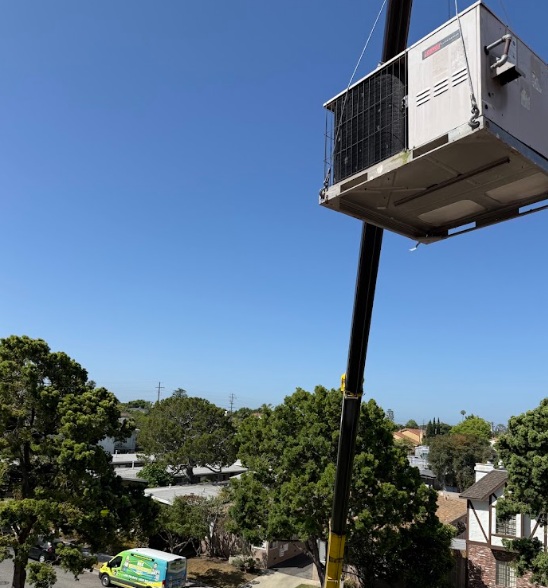
Working with a contractor who has experience with HOA submissions in West Los Angeles condo buildings is a genuine differentiator. The contractor should be able to provide product specification sheets, sound rating data, and a scaled diagram of proposed equipment placement before you submit your HOA request. Getting rejected and resubmitting delays the project by weeks and occasionally months.
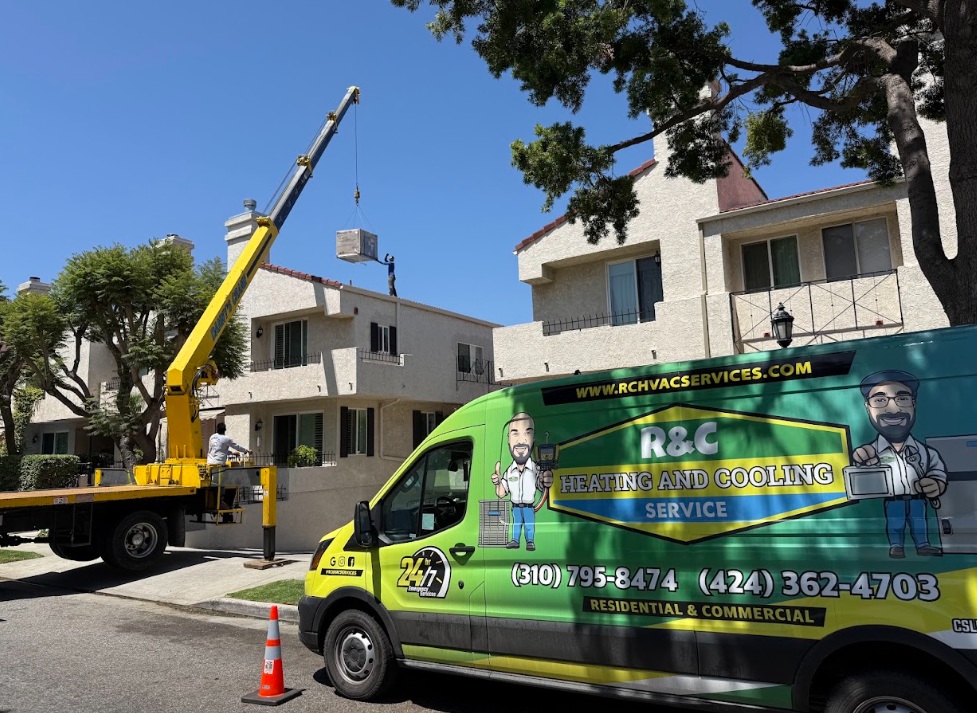
R&C Heating and Cooling Service works throughout the Santa Monica and Marina del Rey market with direct experience navigating local HOA requirements, City of Santa Monica permitting, and coastal equipment specifications. The combination of local knowledge and 10-plus years of West Los Angeles installations matters on these projects.
How Long Does AC Installation Take?
A straightforward equipment replacement on an existing central system with functioning ductwork typically takes four to eight hours for a two-person crew. A ductless mini-split single-zone installation can be completed in three to five hours. Multi-zone ductless systems or new installations requiring electrical panel work, new ductwork, or attic access often extend to one to two full days. HERS testing, when required, adds a scheduled inspection visit after installation is complete. Plan for the full permit and inspection cycle to add one to three weeks to the timeline in Santa Monica’s building department queue.
Choosing the Right Contractor for a Coastal AC Installation
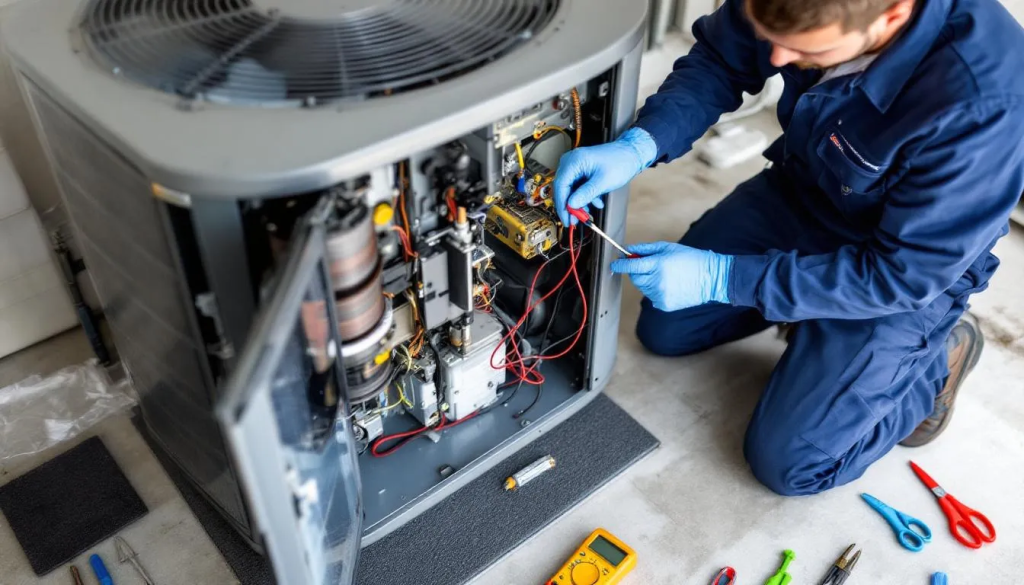
The contractor questions that matter most for a Marina del Rey or Santa Monica installation are not about price alone. Ask whether the company specifies coastal-rated equipment with corrosion-resistant coatings for oceanside projects. Ask whether they pull permits as a matter of standard practice, not as an add-on. Ask whether they have completed HERS-verified installations and can walk you through the Title 24 compliance documentation. Ask whether they have experience with HOA submission processes for condo buildings in West LA.
A contractor who answers those questions confidently and with specifics is one who has actually done the work in this market. One who deflects or dismisses the permit question is one whose shortcuts will eventually become your problem.
Reviews from verified customers in Santa Monica and the surrounding Westside communities reflect consistently on whether a company handles the local nuances correctly or cuts corners that create headaches later.
Frequently Asked Questions
How much does it cost to install central air conditioning in California?
Central AC installation in California typically costs between $4,500 and $9,500 for a system using existing ductwork, with high-efficiency or new-duct projects reaching $16,000 or more. West Coast labor rates add 15 to 25 percent above national averages. In Santa Monica specifically, completed projects average between $2,790 and $7,403 depending on complexity and system type.
Do I need a permit to install an air conditioner in Santa Monica?
Yes. Santa Monica is its own jurisdiction, separate from LADBS. Most AC installations require a mechanical permit, often an electrical permit for new circuits, and Title 24 energy compliance documentation. Projects involving ductwork also require HERS testing. Any contractor suggesting permits are unnecessary for a qualifying scope is creating liability that lands on the homeowner.
What is the best type of AC for a coastal home near the ocean?
Ductless mini-split systems with corrosion-resistant coatings, such as Gold Fin or epoxy-coated coils, are generally the best choice for oceanside homes. They require no ductwork, offer room-by-room zoning, and have a smaller exterior footprint. Equipment rated for coastal environments resists the accelerated corrosion that salt air causes on standard outdoor condenser components.
Does salt air damage air conditioning units?
Yes, significantly. Salt air corrodes outdoor condenser coils, electrical contacts, and refrigerant connections faster than inland conditions. In Santa Monica and Marina del Rey, this can reduce a standard unit’s lifespan from 15 years to 10 or fewer. Specifying coastal-rated equipment with protective coil coatings and scheduling annual maintenance inspections substantially reduces this risk.
What rebates are available for AC installation in Southern California?
Southern California Edison’s TECH Clean California program offers $1,000 per qualifying heat pump HVAC installation, with up to $2,000 available per single-family home. Federal Inflation Reduction Act tax credits may add another $600 to $2,000 for eligible heat pump projects. A licensed contractor can confirm equipment eligibility and handle the documentation required to claim both incentives.
Is a heat pump better than traditional AC for the Santa Monica climate?
For most Santa Monica and Marina del Rey homes, a heat pump is the stronger long-term choice. The mild coastal winters mean you get efficient heating and cooling from a single system. Variable-speed heat pumps also handle the coastal humidity better than single-stage systems, providing dehumidification capability that improves comfort during high marine-layer mornings without overcooling the space.
If you are ready to move forward with an AC installation or replacement in Marina del Rey or Santa Monica, getting the details right from the start saves money, avoids permitting problems, and ensures your system performs correctly in the coastal environment. contact us to schedule a site assessment and get a project-specific quote that accounts for your home’s ductwork, electrical capacity, HOA requirements, and coastal equipment needs. The right system, specified and installed correctly for where you actually live, makes a measurable difference in comfort, efficiency, and long-term reliability. Contact R&C Heating and Cooling Service is how Marina del Rey and Santa Monica homeowners get that job done right the first time.
Wait, I need to correct the CTA. Let me rewrite:
If you are ready to move forward with an AC installation in Marina del Rey or Santa Monica, getting the specifications right from the start protects your investment, avoids permit complications, and ensures the system performs correctly in a coastal environment that punishes shortcuts. contact us at R&C Heating and Cooling Service to schedule a site assessment and receive a project-specific quote that accounts for your ductwork condition, electrical capacity, HOA requirements, and the coastal equipment standards that West LA properties demand.