Best AC Installation Timing in Santa Monica CA
When Is the Best Time to Install AC in Santa Monica, CA?
The best time to install a new AC system in Santa Monica is between October and February, when contractor demand drops and off-peak pricing can lower installation costs by 10 to 20 percent. Because Santa Monica’s warmest month is actually September, driven by Santa Ana wind events rather than midsummer heat, waiting until summer to schedule an installation puts homeowners at serious risk of emergency pricing and delayed availability. How much does AC installation cost in Santa Monica CA depends heavily on when you book, what system you choose, and how your home’s existing infrastructure holds up to current Title 24 code requirements.
Why Santa Monica’s Climate Defies the Usual AC Calendar
Most of the United States follows a predictable cooling pattern: heat peaks in July and August, and smart homeowners schedule AC work in spring or fall. Santa Monica does not follow that pattern, and planning your installation around the national calendar is a common and costly mistake.
The city sits on the coast, which means May and June bring what locals call “June Gloom,” a persistent marine layer of low cloud and fog that rolls in from the Pacific. Temperatures during this stretch often stay in the low 60s, and it can genuinely feel like AC is not a priority. Then, almost without warning, late summer and early fall arrive with a meteorological sucker punch: the Santa Ana winds.
Santa Ana events push hot, dry air from the inland deserts toward the coast, and Santa Monica temperatures during these episodes can spike to 99 to 102 degrees Fahrenheit. Critically, this happens most often in September and October, making those months the de facto peak demand window for AC contractors across the Westside. If your system is failing in late September and every HVAC crew in the area is already booked, you are facing emergency service rates, equipment back-orders, and significant personal discomfort in a home that may be worth well over a million dollars.
The strategic window, therefore, opens in November and runs through February. Demand is low, contractors are available, permit timelines at the City of Santa Monica’s Building and Safety department are shorter, and you have the full summer season ahead of you before the Santa Ana risk returns.
The Salt Air Factor: A Coastal Consideration Most Guides Ignore
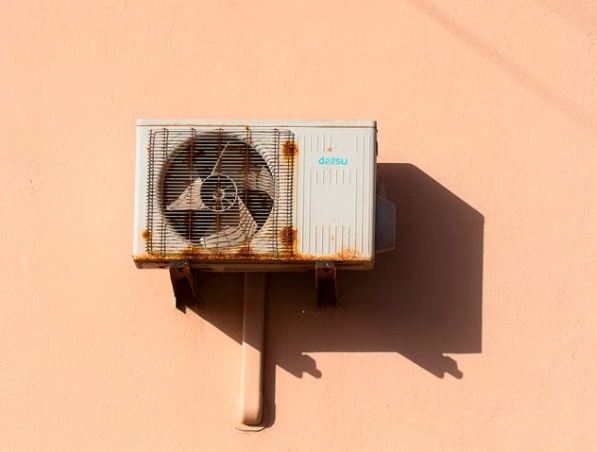
Santa Monica is not just any Southern California city. Homes within a mile or two of the beach operate in a salt-laden coastal environment that accelerates corrosion on HVAC equipment, particularly the outdoor condenser unit. Standard aluminum fin coils can degrade years faster than expected when exposed to consistent salt air.
Scheduling your installation in the off-season gives you time to specify the right equipment, including condensers with corrosion-resistant coatings or all-copper construction, rather than making rushed decisions under heat-season pressure. A unit installed without attention to coastal durability may need coil replacement or full replacement within five to seven years instead of the expected fifteen, which turns a cost-saving shortcut into a significant long-term expense.
The Condo and High-Rise Problem: Why Timing Matters Even More in Multi-Unit Buildings
Santa Monica’s housing stock is unlike most cities. Large apartment complexes and high-rise buildings account for roughly 66.91 percent of all housing units in the city, while single-family detached homes make up only about 19 percent. If you live in a condo or multi-unit building, your AC installation timeline involves a set of complications that no amount of contractor availability can shortcut.
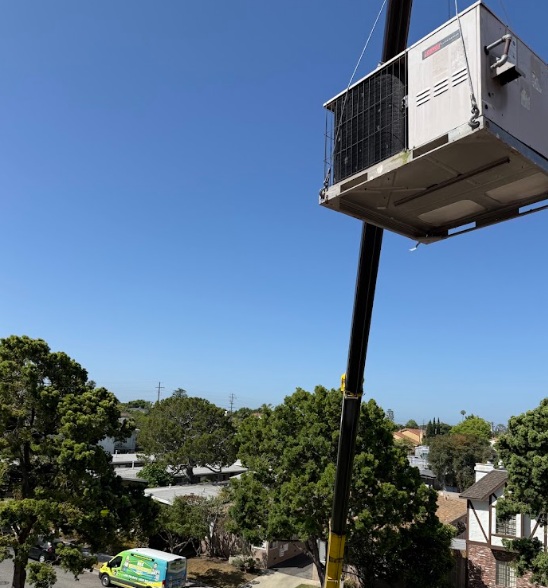
HOA approval for mechanical system upgrades can take four to eight weeks in many Santa Monica buildings. Rooftop equipment installations may require crane permits and scheduling with the building’s property manager. Some buildings restrict contractor access during peak occupancy periods in summer. Starting this process in October or November means you realistically have your approvals, equipment ordered, and installation scheduled well before the June Gloom lulls you into complacency and the September heat catches you unprepared.
For beachside bungalows, another common Santa Monica scenario presents its own timing consideration: many of these homes were built without ductwork entirely. Installing a ducted central AC system in a ductless bungalow is a significant construction project, not a simple equipment swap. A ductless mini-split system is often the more practical choice, but either route requires a thorough assessment, equipment lead times, and permit processing that make off-season planning not just smart but necessary.
What 2026 Title 24 Compliance Means for Your Installation
California’s energy code requirements changed significantly at the start of 2026, and most online content still describes the old framework. Here is what actually applies to a Santa Monica AC installation today.
Split system air conditioners and heat pumps under 65,000 BTU must now meet a minimum SEER2 efficiency rating of 15.0. This replaced the previous SEER-based minimums and applies across most California climate zones. Additionally, as of January 2025, new central AC systems must use R-454B or R-32 refrigerant rather than the R-410A refrigerant that was standard for decades.
This refrigerant transition has direct financial implications for homeowners with older systems. R-410A is being phased out of production, and according to the California Energy Commission, servicing systems that still rely on it is becoming dramatically more expensive, with refrigerant costs running two to three times what they were in 2024. If your existing system uses R-410A and it develops a refrigerant leak, the repair bill may now approach or exceed the cost of a new system. This is an urgency many homeowners are not yet aware of, and it shifts the timing calculus further toward acting sooner rather than waiting for a complete system failure.
On the compliance and permitting side, the California Energy Commission formally restructured its oversight framework as of January 1, 2026: the HERS Program no longer operates as a separate compliance demonstration program, and field verification and diagnostic testing provisions now appear directly within the Energy Code (Title 24, Part 6). What this means practically is that your contractor must be current on the new code structure, because a permit pulled under outdated compliance language will not pass final inspection in Santa Monica.

Santa Monica operates as its own permitting jurisdiction, separate from the Los Angeles Department of Building and Safety. All mechanical work, including AC replacement and ductwork, requires a permit through the City of Santa Monica Building and Safety division. A typical residential HVAC replacement permit runs $180 to $420, with more complex projects involving electrical sub-permits reaching $450 to $800. These costs appear as a line item in your contractor’s quote. Scheduling in the off-season means your permit application is not competing with a high-volume spring or summer queue, which typically shortens approval timelines.
What Does AC Installation Cost in Santa Monica?
Santa Monica pricing runs above the national average, which reflects the city’s higher labor costs, permitting requirements, and the complexity of its housing stock. HomeAdvisor reports the national average AC installation cost at $5,977, with most homeowners spending between $3,887 and $8,073. Santa Monica homeowners should budget considerably above that baseline.
| System Type | Santa Monica Typical Range | Notes |
|---|---|---|
| Basic Central AC Replacement (like-for-like) | $8,000 to $13,000 | Existing ducts in good condition, no panel upgrade |
| Mid-Range High-Efficiency or Heat Pump | $13,000 to $18,000 | SEER2 17+ or heat pump conversion, minor duct work |
| Ductless Mini-Split (1 to 3 zones) | $7,000 to $14,000 | Common for bungalows and condos without ductwork |
| Premium Variable-Speed System | $18,000 to $28,000+ | Whole-home zoning, full duct replacement, panel upgrade |
| Off-Season Discount (Oct to Feb) | 10 to 20% below peak pricing | Applies to labor; equipment pricing varies by supply |
Federal tax credits and California utility rebates can offset a meaningful portion of these costs. Qualifying heat pump systems and high-efficiency central AC units may be eligible for federal tax credits under the Inflation Reduction Act, with savings ranging from $500 to $3,000 or more depending on the equipment tier. Southern California Edison and the Los Angeles Department of Water and Power both offer rebate programs that your contractor can help you access. The U.S. Department of Energy estimates that switching to a high-efficiency air conditioning system can reduce home cooling energy use by 20 to 50 percent, making the upfront premium on higher-SEER2 equipment a financially sound long-term investment for Santa Monica homeowners whose electricity rates rank among the highest in the country.
Recognizing the Signs That Your System Cannot Wait
Off-season planning is ideal, but some systems do not give homeowners the luxury of choosing their timeline. There are several conditions that should prompt an immediate evaluation regardless of the calendar month. If your system is over 12 to 15 years old and using R-410A refrigerant, the phase-out dynamic described above means repair economics are already shifting against you. If you are experiencing inconsistent cooling, unusually high electricity bills, frequent cycling on and off, or visible refrigerant leaks, those are signals that a system is approaching end of life rather than a temporary repair situation. Unusual sounds, particularly grinding or banging from the compressor, typically indicate mechanical failure that is not worth repairing in an aging system.
In those cases, an honest assessment from a licensed contractor will clarify whether repair or replacement makes more financial sense. A full system that fails in August will cost more to replace under emergency conditions than the same system replaced proactively in December, both in equipment pricing and contractor availability.
Why Choosing a Local Santa Monica Contractor Matters
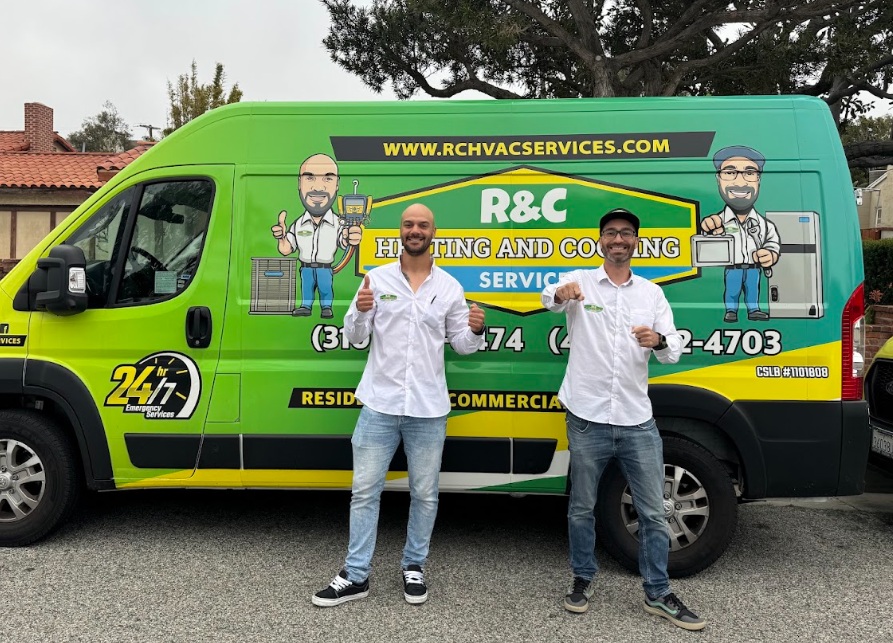
The specifics of Santa Monica permitting, coastal equipment requirements, and the 2026 Title 24 code updates require a contractor who works in this jurisdiction regularly, not one who primarily pulls permits through LADBS or operates primarily in the Valley or Inland Empire. R&C Heating and Cooling Service serves Santa Monica homeowners with direct knowledge of local permitting requirements, coastal equipment considerations, and the full range of system types relevant to the city’s varied housing stock.
Verifying a contractor’s license through the California Contractors State License Board, confirming they carry workers’ compensation and general liability insurance, and reviewing their familiarity with City of Santa Monica permit procedures are baseline steps before signing any installation agreement.
Getting on the schedule now, before the spring rush and well before September’s Santa Ana season, is the single most effective thing a Santa Monica homeowner can do to control both the cost and the quality of their AC installation.
Ready to lock in your off-season installation before pricing rises and schedules fill? Contact Us today for a no-obligation assessment, or Visit Us to speak with our team directly. You can also find us and read customer reviews through our R&C Heating and Cooling Service Google listing. Do not wait for a September heat spike to make this decision for you.
Frequently Asked Questions
What is the best time of year to install AC in Santa Monica, CA?
October through February is the optimal window. Contractor demand is lowest, permit processing at the City of Santa Monica is faster, and off-peak pricing can reduce installation costs by 10 to 20 percent. Because Santa Monica’s heat peaks in September due to Santa Ana winds, waiting until summer creates a genuine risk of emergency pricing and unavailable crews.
Do I need a permit to install an air conditioner in Santa Monica?
Yes. Santa Monica is its own permitting jurisdiction, separate from the City of Los Angeles. All AC installations and ductwork replacements require a mechanical permit through the City of Santa Monica Building and Safety division. Permit fees typically range from $180 to $420 for standard residential projects, and your licensed contractor handles the application process on your behalf.
How does Title 24 affect my AC installation in California in 2026?
California’s 2025 energy code cycle, now enforced in 2026, requires new split system AC units under 65,000 BTU to meet a minimum SEER2 efficiency rating of 15.0. New systems must also use R-454B or R-32 refrigerant rather than the legacy R-410A. These requirements apply to all permitted installations in Santa Monica and affect both equipment selection and installation cost.
Is it cheaper to install AC in the off-season in Southern California?
Yes. Off-peak installation in the October to February window typically yields 10 to 20 percent lower labor costs compared to peak summer pricing. Equipment lead times are also shorter, HOA and permit approvals process faster, and homeowners have more leverage to compare quotes without pressure. The off-season advantage is especially pronounced for complex jobs like condo installations or whole-home duct replacements.
What are the signs I need a new AC system rather than a repair?
Key indicators include a system over 12 to 15 years old, repeated breakdowns within a single season, R-410A refrigerant use combined with a refrigerant leak, electricity bills rising without a change in usage, inconsistent cooling across rooms, and unusual compressor sounds like grinding or banging. When repair costs exceed 50 percent of replacement cost, replacement is almost always the smarter financial decision.
Can I get rebates or tax credits for a new AC system in Santa Monica?
Yes. Qualifying high-efficiency systems and heat pumps may be eligible for federal tax credits under the Inflation Reduction Act, ranging from $500 to $3,000 or more. Southern California Edison and the Los Angeles Department of Water and Power also offer equipment rebates. Your contractor can identify which incentives apply to your specific system and home before you commit to a purchase.